Explore Marcus Aurelius’ philosophical wisdom and Stoic teachings. Discover how ancient virtue and mentorship shaped one of history’s greatest minds.
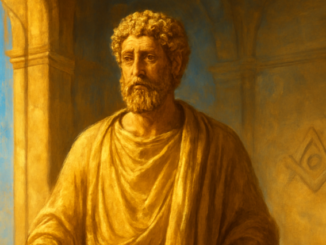
Marcus Aurelius – Meditations
Marcus Aurelius Book VII: Philosophical Roots of Fate
When a Roman emperor sat down by candlelight in the second century AD to record his private thoughts, he produced one of the most influential philosophical texts in Western history. Book VII of Marcus Aurelius’ Meditations tackles a theme that touches every human life: the unpredictability of existence. This essay explores the philosophical traditions that nourished these reflections and reveals a striking parallel with how Freemasonry approaches change, impermanence, and the shaping of character. The Stoic Legacy: From Zeno to the Imperial Age Stoicism was born around 300 BC in Athens, where Zeno of Citium taught his students in the Stoa Poikile — the painted colonnade that would give the school its name. The central idea was deceptively simple: while we cannot control external events, we can master our own responses to them. This philosophy was refined by thinkers such as Cleanthes and Chrysippus before reaching its Roman zenith in the works of Seneca, Epictetus, and ultimately Marcus Aurelius himself. In Book VII of the Meditations, we see Marcus Aurelius wrestling with the very questions that preoccupied his predecessors. The fickleness of fortune — what the Greeks called tyche — is not treated as an enemy but as a teacher. […]