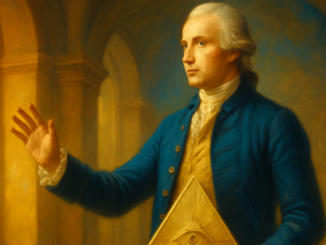
The Bavarian Illuminati: Facts and Misconceptions
On a cold winter evening in 1776, a young professor in Ingolstadt sat by candlelight, committing his thoughts to paper. Adam Weishaupt, just twenty-eight years old, dreamed of founding a society that would spread the ideals of the Enlightenment among like-minded thinkers. What he began that evening would still capture imaginations two centuries later — though often tangled up in wild speculation and fundamental misunderstandings. A Professor With a Vision Adam Weishaupt held a professorship in canon law at the University of Ingolstadt in Bavaria. Frustrated by what he perceived as religious narrow-mindedness and political oppression, he founded a secret society on May 1, 1776. He initially called it the Order of the Perfectibilists, later renaming it the Order of the Illuminati. Its goals were ambitious: to promote rational thinking, combat superstition, and cultivate moral improvement among its members. The structure of Weishaupt’s order was layered, with multiple degrees of initiation. Members often knew each other only by code names. Weishaupt himself adopted the name Spartacus, after the Roman gladiator who led a slave revolt. This secrecy was not a sign of sinister intent — it was a practical necessity in a Bavaria where freethinking could carry serious consequences. The […]