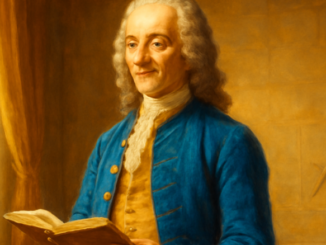
Explore Voltaire’s philosophical insights on Freemasonry and connection, examining enlightenment thought through literary analysis and spiritual inquiry.
Symbolism & Rituals
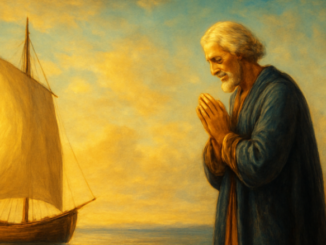
Voltaire’s Prayer for Tolerance and Its Masonic Resonance
In a world that often seems fractured by misunderstanding and prejudice, it is remarkable that a text written in the eighteenth century can still move us so deeply. Voltaire’s prayer for tolerance, found in his Treatise on Tolerance, expresses a universal longing for mutual understanding that transcends centuries. For Freemasons, this prayer is far more than a historical curiosity — it touches the very heart of what the Craft has pursued for generations: a world where people of every background can meet one another as brothers. A Philosopher’s Prayer for All Humanity Voltaire did not address his prayer to the god of any single religion. Instead, he directed it to the Supreme Being who might unite all people. “You did not give us hearts to hate one another,” he wrote, “nor hands to murder one another.” These words grew from his deep revulsion toward religious fanaticism. The Calas affair — in which an innocent Protestant father was wrongfully sentenced to death — had shaken him to the core. His prayer was no theological treatise; it was a cry from the heart for human dignity. For Voltaire, tolerance was never passive acceptance. It was an active, deliberate choice. He acknowledged that […]