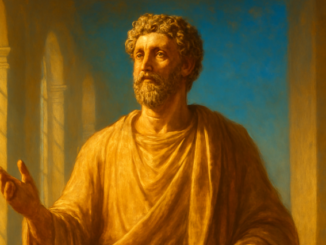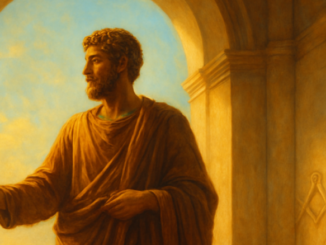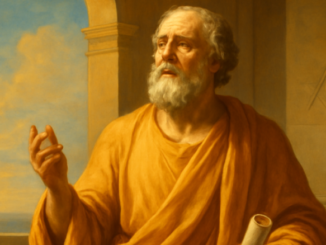
Marcus Aurelius on Judgment: Lessons for Freemasons
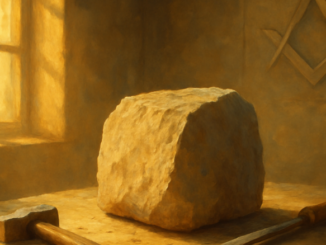
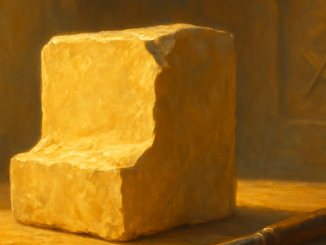
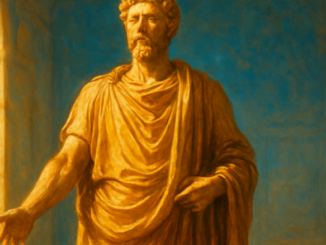
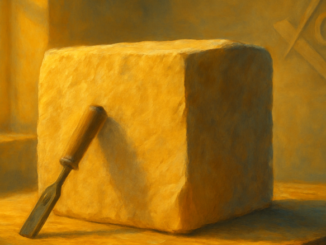
You are about to judge someone. Perhaps a colleague who is always late, a neighbor who neglects their yard, or a brother in the lodge who holds views different from your own. In that moment of judgment, it is not the other person who determines your state of mind — it is you. Marcus Aurelius understood this nearly two thousand years ago. In Book VIII of his Meditations, the Roman emperor reveals how our prejudices hold us captive and how we can set ourselves free. These insights find a remarkably direct application in Freemasonry, where the work of smoothing the rough ashlar begins with recognizing our own imperfections. The Core of Book VIII: You Are Your Judgment Marcus Aurelius writes in Book VIII that it is not events themselves that wound us, but the judgments we pass upon them. It sounds simple, but the implications are profound. When someone insults you, it is not the insult that causes pain — it is your own reaction to it. You choose to feel hurt. This core Stoic principle demands radical self-reflection: are you willing to put your own thinking under scrutiny? In practical terms, this means something very concrete. When you notice […]