Explore the rich Freemasonry history through articles on famous Masons, their influential legacies, symbolism, and the brotherhood’s global impact on society.

Freemasonry & Society
The Freemason and the City Wall: How Guilds Changed Europe
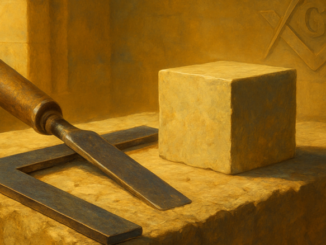
In 1356, the guild movement in the German city of Nuremberg swore an oath that would seal their mutual solidarity for centuries. Among them were stonemasons — the forerunners of what we now know as Freemasons. What bound these craftsmen together was not just their skill with hammer and chisel, but a shared sense of responsibility for the society in which they lived. Their city walls, churches, and bridges were not merely technical constructions; they were expressions of a deeper conviction: those who build in stone also build community. The Guild as a Social Laboratory for Freemasonry Medieval guilds were far more than professional associations. They were the first institutions in which craftsmen, independent of nobility or church, developed their own legal systems, mutual care networks, and quality standards. The stonemason guilds — from which the later Masonic lodges would emerge — stood out because of their itinerant nature. While a baker or blacksmith remained tied to one town, the stonemason traveled from cathedral to cathedral, from fortress to city wall. This nomadic existence created a unique culture of knowledge transfer: trade secrets were passed down orally, and symbols served as tokens of recognition between brethren from distant regions. In […]