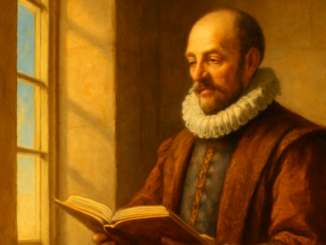
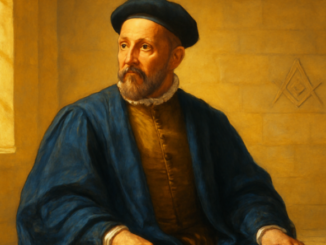
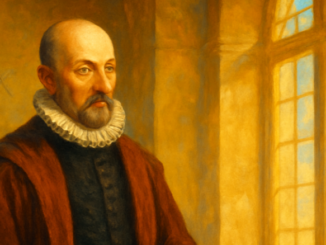
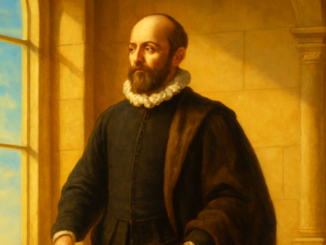
Explore the profound connections between Michel de Montaigne’s philosophy and Freemasonry. Discover how eloquence, truth, and brotherhood shape Masonic principles and practice.
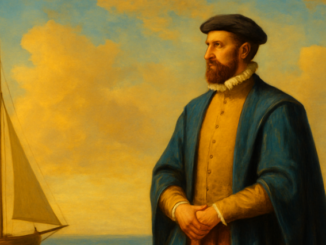
Michel de Montaigne – Freemasonry & Connection
Montaigne on Clothing and Freemasonry: The Power of Connection
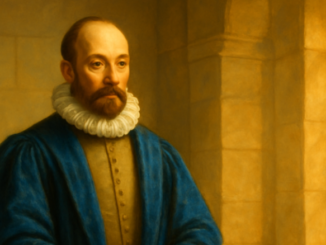
Imagine walking into a room where everyone is dressed the same. No expensive suits, no designer labels, no outward signs of status. What happens to the way you see people? You start looking into their eyes instead of at their shoes. This is precisely what Michel de Montaigne philosophized about in his thirty-fifth essay — and it is also the daily practice in every Masonic lodge around the world. In this article, we explore how Montaigne’s reflections on clothing speak directly to the Masonic pursuit of brotherhood and genuine human connection. What Montaigne Teaches Us About Clothing In his short but thought-provoking essay “On the Custom of Wearing Clothes,” Montaigne poses a deceptively simple question: why do humans wear clothes at all? He observes that nature did not equip us with fur or scales like other animals. Yet he doubts whether clothing is purely functional. In his characteristically curious style, he notes how dress takes radically different forms across cultures — from full coverage to next to nothing. His conclusion is surprisingly practical: clothing is largely a matter of habit, not necessity. And habit, as Montaigne well understood, is a creeping force that often blinds us to who we truly […]