Dan Brown’s Inferno: Freemasonry in Fiction vs Reality
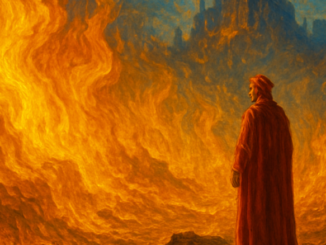
If you’ve read Dan Brown’s Inferno, chances are you walked away with questions. What’s real? What’s invented? And what about all those references to secret societies and ancient symbols? As a Freemason, these questions come up regularly — especially when popular thrillers paint vivid pictures of mysterious brotherhoods operating in the shadows. It’s worth taking a clear-eyed look at what Inferno suggests about symbolism and hidden knowledge, and how that compares to the reality of Freemasonry. Dante Alighieri as Inspiration Dan Brown didn’t choose the title Inferno at random. It’s a direct reference to Dante Alighieri’s Divine Comedy, the fourteenth-century masterpiece in which the poet descends into Hell, journeys through Purgatory, and ultimately reaches Paradise. This threefold path from darkness to light resonates deeply with Freemasons because it mirrors their own ritual journey — from ignorance to enlightenment, from rough stone to polished stone. Dante himself was not a Freemason — he couldn’t have been, since Freemasonry as we know it didn’t emerge until the eighteenth century. Yet his works are frequently referenced in lodge meetings and philosophical discussions. The symbolism of the journey, the confrontation with personal shortcomings, and the search for truth are themes that Freemasons readily recognize […]