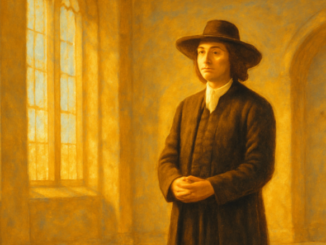
Explore the spiritual wisdom and peaceful traditions of Quakers. Discover their core testimonies, rich history, and philosophical principles that shaped a silent movement.
Quakers
The Five Testimonies of the Quakers: Spiritual Core Principles
When spirituality refuses to remain confined to words and instead permeates every action, what emerges is a way of life that is both profoundly simple and quietly radical. The Quakers — officially known as the Religious Society of Friends — have distilled their faith practice into five testimonies that serve as a compass for daily living. These are not dogmas carved in stone but living guidelines that each generation questions, tests, and embodies anew. For those drawn to spiritual traditions that place action above doctrine, these testimonies offer a fascinating window into a distinctive approach to the sacred. What Are the Five Testimonies? The five testimonies form the ethical heart of the Quaker tradition. They are commonly referred to by the acronym SPICE: Simplicity, Peace, Integrity, Community, and Equality. These words may sound like abstract virtues, but for Quakers they represent concrete ways of living. They were never established as formal doctrines handed down from on high. Instead, they grew organically from the practice of generations of believers who tried to follow their Inner Light in the course of everyday existence. What makes these testimonies truly distinctive is that they are never imposed from the outside. Every member of the […]