Explore Symbolism & Rituals in Freemasonry. Discover the spiritual meanings, sacred texts, and philosophical foundations that shape Masonic traditions and initiatory practices.
Symbolism & Rituals
The Symbolic Beginning: January and the Path to Enlightenment
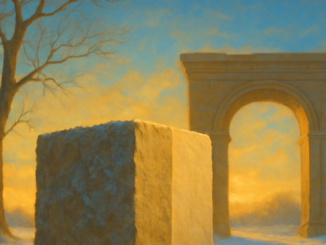
January, The Gateway to the New Year January, the first month of the year, marks a new beginning. Its name is derived from Janus, the Roman god with two faces: one looking to the past, the other to the future. This makes January the quintessential month of reflection and intentions. During this period, many reflect on the previous year and set goals for the future. For the Freemason, this strongly resonates with the idea of self-examination and growth. Symbolism in January January’s duality reflects a core principle in Freemasonry: duality. Light and darkness, past and future, knowledge and ignorance — all are intrinsically linked. The transition to a new year symbolizes entering a new phase, a renewed opportunity to build the inner temple. Just as a Fellowcraft continues to develop through lessons from the past, January offers us the chance to apply the lessons of the previous year. The Stone of Renewal Freemasons work with the image of the rough and the polished stone. In January, the universe invites us to reassess our rough stone. What can we smooth out? Which facets need strengthening? This month calls for introspection, not perfection, but the intention to become a better person. Winter: […]