Vrijmetselarij - Vrijmetselarij en filosofie: ontdek hoe denken en handelen samenkomen
Philosophy & Ethics

Freemasonry and Philosophy: Where Thought Meets Action

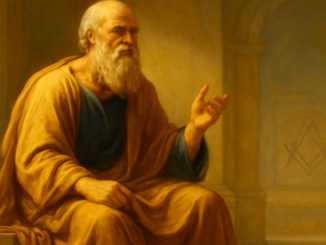
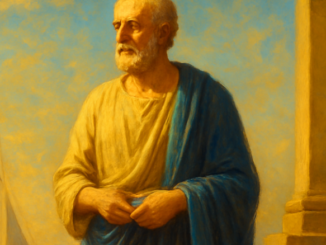
Philosophy might conjure images of dusty lecture halls, dense textbooks, or endless debates about the nature of existence. But within Freemasonry, philosophy takes on an entirely different character. It’s not abstract theorizing — it’s a living, practical way of engaging with the world. Freemasonry and philosophy walk hand in hand, forming a powerful path toward personal growth and deeper meaning. What Role Does Philosophy Play in Freemasonry? Philosophy in Freemasonry isn’t a standalone academic exercise. It’s woven into the very fabric of the craft’s ritual and symbolic system. Every degree, every ceremony, and every symbol is steeped in philosophical insight. The goal isn’t to promote a single school of thought, but to cultivate a way of life rooted in reflection, openness, and ethical awareness. Freemasonry invites you to live philosophically — to search for meaning, to embrace doubt, and to ask questions that go beyond the surface. Most importantly, it challenges you not only to think about your answers but to embody them in the way you act and treat others. Inspired by Great Thinkers Throughout the centuries, Freemasonry has drawn inspiration from some of history’s most influential philosophical traditions. Here are a few that have left a lasting mark […]

Montaigne essay on misdirected emotions and Masonic self-knowledge
Content & Summary

Montaigne on False Objects: When Our Emotions Go Astray

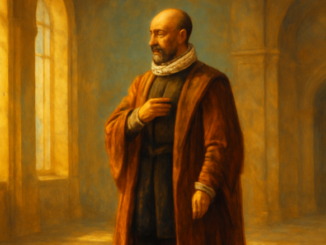
Why do we slam a door after stubbing our toe? Why do we shout at a frozen computer as though it were deliberately conspiring against us? In the fourth essay of the first book of his Essays, Michel de Montaigne explores this peculiar human behavior: our tendency to direct emotions at objects that have absolutely nothing to do with what actually troubles us. It is a short but penetrating piece that reveals something essential about the human psyche — and offers surprising insights for anyone committed to genuine self-knowledge. The Core Idea: Emotions Cannot Hang in a Void Montaigne opens with a paradox most of us will recognize immediately. The human soul, he argues, cannot let its passions dangle in empty space. Once an emotion has been aroused, it insists on finding an outlet — a target, a destination, an object. But what happens when the real object of our anger, grief, or frustration is out of reach? The soul invents a surrogate. It fabricates a false object onto which it can project its feelings. Crucially, Montaigne does not treat this as a sign of weakness or irrationality. He suggests it is simply how human emotions work. Our passions demand […]

Symbolic image of hands connecting across time representing Masonic brotherhood
Freemasonry & Connection

Montaigne on Connection: When Our Soul Reaches Beyond

An old man sits in silence beside the bed of his dying friend. No words remain — only the warmth of a hand resting upon a hand. And yet he feels something within himself reaching beyond this moment, beyond this room, beyond his own boundaries. It is precisely this mystery that the sixteenth-century philosopher Michel de Montaigne sought to understand: how our emotions can transcend our bodies and our time, and what that reveals about the nature of human connection. The Question Montaigne Asked In his essay Whether Our Emotions Carry Themselves Beyond Us, Montaigne examines a riddle that every thoughtful person has encountered at some point. Why do we worry about what will happen after we die? Why do we feel sorrow now for future losses, or joy for events we will never live to witness? It seems irrational, yet it is profoundly human. Montaigne suggests that the soul is not imprisoned within the boundaries of the body or a single lifespan. It extends outward — toward others, toward the future, toward ideals larger than ourselves. This insight touches a fundamental truth about human existence: we are not isolated islands. Our emotions, our worries, and our dreams weave themselves […]

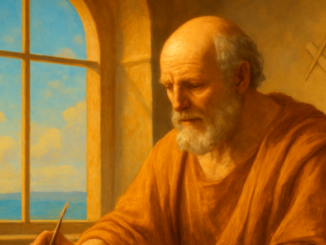
Montaigne's tower study with candles and manuscripts symbolizing self-reflection
Michel de Montaigne – The Essays

Montaigne and the Philosophy of Feelings That Transcend Us

It is a cool evening in 1572. In his tower study in Bordeaux, a man sits hunched over yellowed manuscripts. Candle wax drips onto passages of Seneca, the margins filled with his own annotations. He asks himself: why do we grieve for people we barely knew? Why do our feelings reach beyond our immediate experience? This seemingly simple question would grow into one of the most penetrating essays of the Renaissance. Michel de Montaigne drew upon a rich philosophical heritage for this third essay — a heritage that continues to inspire Freemasons in their pursuit of self-knowledge to this day. The Stoic Legacy: Emotions Under the Microscope Montaigne’s inquiry into the reach of human feeling is deeply rooted in Stoic philosophy. Seneca, the Roman philosopher and statesman, was his most important teacher from across the centuries. In his letters to Lucilius, Seneca explored at length how emotions can overwhelm us and how we might deal with them wisely. The Stoic ideal of apatheia — freedom from disruptive passions — fascinated Montaigne, but he did not embrace it fully. Instead, he used it as a starting point for his own, more nuanced view of emotional life. The Stoics taught that our […]

Vrijmetselarij - Montaigne over moed en menselijkheid
Michel de Montaigne

Montaigne on Courage and Humanity

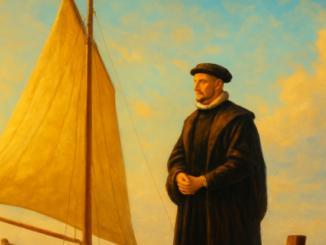
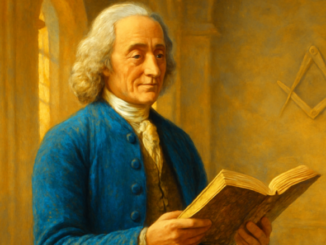
In the opening chapter of his Essays, Michel de Montaigne immediately shows what kind of thinker he is. He offers no rules, no instructions, and no moral conclusions. He observes. He compares. And he invites the reader to think for themselves. His central idea is simple, yet unsettling: completely different attitudes can sometimes lead to the same outcome. Humility may work. Fearless courage may also work. But just as often, neither does. With that, Montaigne sets the tone. Anyone looking for fixed answers will not find them here. No fixed formula for right action Montaigne describes situations in which people seek mercy from a victor. Sometimes by pleading and submitting. Sometimes by standing firm and refusing to show weakness. At times this evokes compassion. At other times, respect. And sometimes it provokes even greater cruelty. His point is clear: human behavior cannot be reduced to rules. What moves one person may irritate another. What inspires admiration today may provoke jealousy tomorrow. For those interested in Freemasonry, this feels familiar. Freemasonry does not promise ready-made answers but teaches how to deal with complexity. Not by judging, but by understanding. Compassion and admiration One of the most striking moments is Montaigne’s honesty […]