Vrijmetselarij - Freemasonry in the Netherlands – A Look Behind the Doors
History

Freemasonry in the Netherlands – A Look Behind the Doors

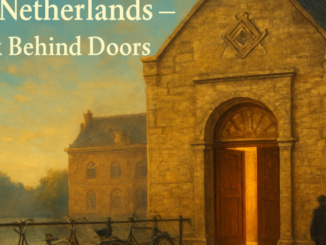
To many people, Freemasonry conjures up images of secrecy and mystery — an ancient society of rituals, symbols, and closed doors. But did you know that Freemasonry in the Netherlands is remarkably open and very much alive? Across the country, lodges bring together men of all ages and backgrounds who share a common purpose: working on themselves, on their connections with others, and on making the world a better place. For more than three centuries, Freemasonry in the Netherlands has been a source of inspiration, connection, and personal depth. It is not a religion. It is not a political movement. It is a practice ground for those who want to live more consciously. In this article, you’ll discover how Freemasonry took root on Dutch soil, what it means today, and — most importantly — what it could mean for you. A Centuries-Old History on Dutch Soil The first Masonic lodge in the Netherlands was established in 1734 in The Hague. It didn’t take long before lodges followed in Amsterdam, Rotterdam, and other cities. Freemasonry quickly resonated with freethinkers, artists, philosophers, and idealists. It offered a space for people seeking deeper meaning beyond the dogmas of church and politics. Today, Freemasonry […]

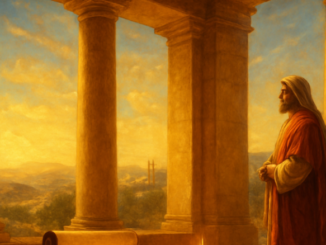
Open book of Ecclesiastes with Masonic symbols representing wisdom and light
Christianity

Ecclesiastes and Freemasonry: Wisdom in the Face of Impermanence

You probably know the feeling. You work hard toward a goal, finally reach it, and then find yourself wondering: was that really it? That quiet doubt, that subtle emptiness after an achievement — it has been described for thousands of years. The Book of Ecclesiastes confronts you with exactly this experience. And surprisingly, this ancient wisdom text touches on something that has occupied Freemasons for centuries: the question of what truly matters in a life defined by impermanence. An Ancient Voice That Still Resonates Ecclesiastes stands apart within the Old Testament. Where other books offer direction and certainty, Ecclesiastes asks questions. The author, who presents himself as a wise teacher, examines what life really means. He tries everything — wealth, pleasure, labor, knowledge. And each time, he arrives at the same conclusion: all is vanity, or as the Hebrew puts it, hevel. The word literally means vapor, breath — something that vanishes the moment you try to grasp it. Consider how radical that message was in an era when success and prosperity were seen as signs of divine favor. The Preacher dares to say aloud that the wise man dies just like the fool. That your efforts may disappear without […]

Scene from The Man Who Would Be King featuring Masonic symbolism and brotherhood
Culture & Media

The Man Who Would Be King: Brotherhood and Masonic Symbolism

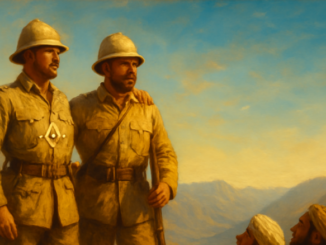
Freemasonry is about far more than symbols and rituals — it is rooted in ideals such as brotherhood, loyalty, and personal growth. These very themes lie at the heart of The Man Who Would Be King (1975), a sweeping adventure film based on a story by Rudyard Kipling. Directed by John Huston and starring Sean Connery and Michael Caine, the film is a powerful exploration of human ambition, its rewards, and its devastating consequences. The Plot: Power and Downfall The story follows two former British soldiers, Daniel Dravot (Sean Connery) and Peachy Carnehan (Michael Caine), who hatch an audacious plan to carve out a kingdom for themselves in a remote corner of Afghanistan. Armed with military expertise and cunning manipulation, they manage to convince the local population that they are gods. Their newfound status grants them unprecedented power — but it also introduces temptations that put their brotherhood to the ultimate test. A pivotal element in their rise and eventual fall is the influence of Masonic values, particularly brotherhood and loyalty. In a crucial scene, Dravot wears a Masonic emblem that the local people recognize and interpret as a sign of divinity. This moment becomes a turning point in the […]

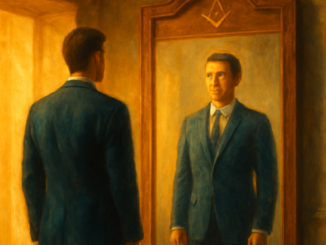
Steering wheel symbolizing choice and Masonic responsibility in life
Philosophy & Ethics

Guilt and Responsibility: A Symbolic Masonic Exploration

A steering wheel in human hands. A split second. A decision that can never be undone. When the news reports that someone is suspected of causing a fatal accident, it touches the deepest questions about human responsibility. What does it mean to carry guilt? How do our actions relate to our conscience? These questions reach far beyond the courtroom — they strike at the very foundation of what it means to be human. The Steering Wheel as a Symbol of Choice Every vehicle has a steering wheel, a rudder, a lever that sets its direction. This seemingly practical instrument carries a deeper meaning. The steering wheel represents the human will — our capacity to chart a course through life. Whoever takes the driver’s seat accepts a responsibility that extends far beyond their own destination. In Freemasonry, this symbolism finds a parallel in the image of the Master Builder wielding his tools. Just as the square and compasses are instruments for maintaining right angles and proper measure, the steering wheel is an instrument for giving direction. Both demand awareness, attention, and the recognition that every movement carries consequences. The Inescapable Question of Guilt When a tragic accident occurs, the question arises […]

Ancient temple ruins symbolizing the Masonic journey of inner rebuilding
Christianity

Ezra and the Rebuilding of the Temple: A Symbolic Journey

In 538 BCE, something remarkable happened. After decades of exile in Babylon, thousands of people returned to Jerusalem with a single sacred purpose: to rebuild the destroyed temple. The biblical Book of Ezra tells this story of return and reconstruction. But beneath the historical narrative lies a deeper layer — a symbolic journey that still resonates within Freemasonry and in the heart of every person striving for inner renewal. The Historical Context of Ezra The Book of Ezra describes a pivotal period in the history of the Jewish people. King Cyrus of Persia issued a remarkable decree in 538 BCE: the exiles were permitted to return to their homeland and rebuild their temple. This was no ordinary political maneuver — the returning exiles experienced it as divine intervention. Ezra, a scribe and priest, played a key role in this return and the spiritual reformation that followed. The returning exiles found a desolate landscape. The temple, once the spiritual center of their existence, lay in ruins. What followed was a years-long process of reconstruction, plagued by opposition, doubt, and internal conflict. Yet they persevered. Stone by stone, the sanctuary rose once more from the dust. It is this image of patient, […]

Masonic square and compasses symbolizing Freemasonry and brotherhood
Philosophy & Ethics

What Is Freemasonry? A Journey of Self-Discovery and Brotherhood

This article on Freemasonry has been recently updated to give you the clearest and most current picture of what this ancient brotherhood is all about. Whether you’re encountering Freemasonry for the first time or have been curious for a while, read on to discover what it truly means to be a Freemason — and why a growing number of people are choosing this path of self-discovery. Freemasonry has a way of sparking curiosity. Perhaps you’ve heard references to rituals, symbols, or lodges. Maybe you’ve been drawn in by the rich history and the air of mystique that surrounds it. But what is Freemasonry really, and why do people choose to join this centuries-old brotherhood? What Is Freemasonry? At its core, Freemasonry is a philosophy of life that places personal development and ethical living at the center of everything it does. It is not a religion, but it welcomes people of all faiths — provided they acknowledge the existence of a higher power, however they choose to define it. Freemasons work on becoming better versions of themselves through symbolism, ritual, and the bonds of brotherhood. The goal? To become a better person. Not better than someone else, but better than the […]

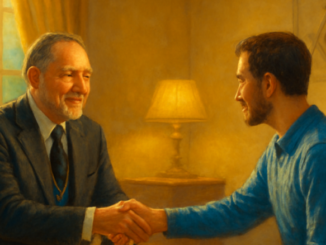
Worshipful Master conducting a home visit with a Freemasonry candidate
Joining & The Path Within

The Master’s Home Visit: A Key Step in Joining Freemasonry

When a candidate expresses interest in Freemasonry and considers joining a lodge, one of the most meaningful moments in the admission process is the home visit by the Worshipful Master. Far more than a formality, this personal meeting is a cornerstone of mutual understanding and trust — and it sets the tone for the entire journey that lies ahead. The Significance of the Home Visit The home visit is a tradition that reflects the deeply personal nature of Freemasonry. This is not an anonymous organization — it is built on brotherhood and trust. By meeting the candidate in the comfort of their own home, the Worshipful Master gets to know the person behind the application in a relaxed and familiar setting. For the candidate, the visit offers a valuable opportunity to ask questions, gain deeper insight into the workings of the lodge, and feel at ease with the process. It is a moment of open dialogue where expectations on both sides are discussed honestly and without pressure. What Is Discussed During the Visit? The conversation during a home visit typically centers on personal motivations and values. The Worshipful Master may ask questions such as: What drew you to consider Freemasonry? […]