Marcus Aurelius Book V: The Philosophy of Overcoming Obstacles
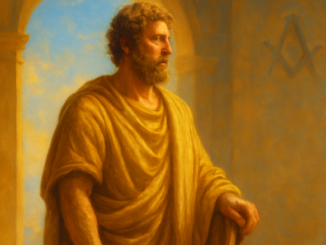
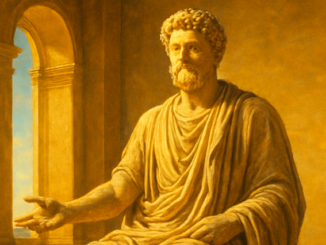
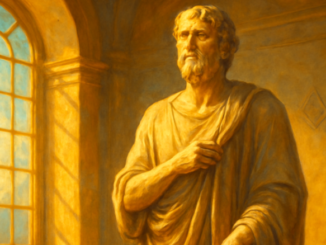
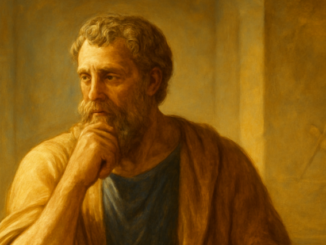
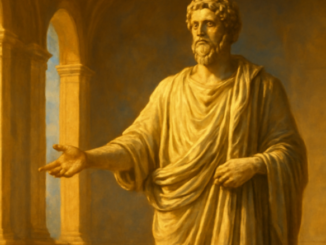
When Marcus Aurelius wrote about overcoming obstacles in the fifth book of his Meditations, he drew on a rich philosophical tradition stretching back to the earliest Stoics in ancient Greece. To the modern reader, his words can feel strikingly relevant. To the Freemason, they carry a particular resonance — echoing the ideal of the rough ashlar that must be shaped and polished through sustained inner effort. But how does the outsider’s reading of these texts differ from that of someone steeped in initiatory traditions? This article compares both perspectives and reveals what they share in the search for meaning. The Stoic Roots of Book V Marcus Aurelius never intended his Meditations for publication. They were personal exercises in the art of living — spiritual journal entries composed, most likely, during gruelling military campaigns along the Danube frontier. Book V breathes the spirit of Stoicism as it was founded by Zeno of Citium around 300 BCE. The core idea is straightforward: we cannot control the external world, but we can control how we respond to it. Obstacles are not enemies — they are teachers. This philosophy reached Marcus Aurelius through a chain of thinkers. Cleanthes and Chrysippus refined Zeno’s teachings, but […]