
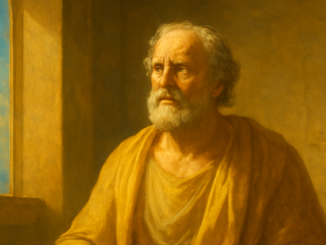
There may have been a moment in your life when someone wronged you and you felt anger rising like a tide. Or perhaps you recognize those times when your own thoughts tormented you more than the situation itself. Marcus Aurelius, the Roman emperor-philosopher, wrestled with exactly these questions. In Book VII of his Meditations, he examines what evil truly is, how justice guides our actions, and why inner peace never depends on the behavior of others.
The Heart of Book VII: What Is True Evil?
Marcus Aurelius opens Book VII with a radical proposition: the evil others inflict upon you does not damage your soul. What truly harms you is your own reaction to it. This is a foundational Stoic insight that he returns to again and again. When someone insults you, lies to you, or deceives you, the real danger lies not in the act itself but in how you choose to respond. If you allow yourself to be swept away by anger and resentment, you surrender your power. If you remain aligned with your inner compass, you preserve your freedom.
The emperor wrote these reflections as private notes, never intended for publication. That is precisely what makes them so raw and honest. He holds up a mirror to himself and asks: why do I allow myself to be so easily unsettled by things that lie beyond my control? The answer he finds is always the same — because he forgets what truly belongs to him and what does not.
Justice as a Compass for Action
Alongside his reflections on evil, justice plays a central role in this book. For Marcus Aurelius, justice is not merely a legal concept or a social norm. It is the fundamental virtue that determines how you relate to your fellow human beings. To act justly means treating every person as part of the same human community, regardless of rank or status.
Justice demands that you give others not what they deserve according to your judgment, but what the humanity within them deserves.
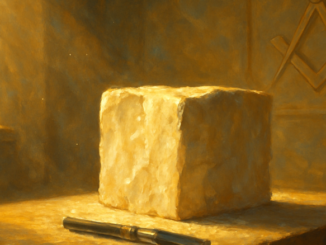
This idea resonates powerfully with the concept of brotherhood that stands at the heart of Freemasonry. Just as Freemasons work upon the rough ashlar of their character, Marcus Aurelius labors to remain just even when confronted with injustice. The goal is not perfection but continuous effort — a commitment to growth that every Mason will recognize.
The Images and Metaphors Marcus Uses
Marcus Aurelius is a master of using concrete imagery to make abstract wisdom tangible. In Book VII, he compares life to a brief flame, to waves breaking against rocks, to actors playing their parts before disappearing from the stage. The theatrical metaphor is particularly striking: everything you experience is a scene that will pass. The question is not which role you are assigned, but how you play it.
Another recurring image is that of the beehive and the ant colony. Whoever separates himself from the community, he writes, is like a branch severed from the tree. You may cut yourself loose, but in doing so you lose your connection to the greater whole. This image underscores the importance of fellowship and cooperation — themes symbolized in Freemasonry by the builders working together on the temple. No stone stands alone; each depends upon the others for the structure to endure.
Impermanence as a Teacher
One of the most striking themes in Book VII is the impermanence of all things. Marcus Aurelius constantly reminds himself that even the greatest heroes, the mightiest emperors, and the wisest philosophers are eventually forgotten. He mentions figures such as Alexander the Great, Julius Caesar, and the philosophers of old — not to diminish them, but to remind himself of the relative insignificance of fame and power.
This meditation on impermanence is not pessimism. It is, in fact, a liberation. If everything passes, why cling to temporary things? Why allow yourself to be tormented by insults that will be forgotten in a hundred years? The wise person focuses on what endures: their own character, their capacity for justice, their inner peace.
The Rough Stone and the Inner Temple
For Freemasons, the image of the rough ashlar being shaped into a perfect cube is a powerful symbol of personal development. Marcus Aurelius uses different words, but the underlying idea is closely related. Every day is an opportunity to work upon yourself. Every confrontation with injustice is a chance to practice your capacity for fairness. Every surge of anger is an invitation to test your self-mastery.
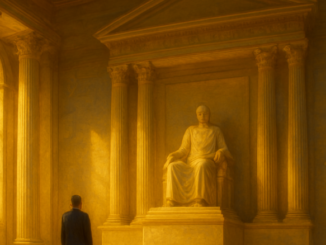
The inner temple that Marcus Aurelius refers to is the space within yourself where you can remain undisturbed, regardless of the chaos outside. This is not a denial of the world but a conscious choice to refuse being governed by what lies beyond your control. It is the citadel of the soul — a refuge that is always available. Freemasons who have reflected on the symbolism of the temple within will find a kindred spirit in the emperor’s words.
What Book VII Still Teaches Us Today
The insights of Marcus Aurelius are nearly two thousand years old, yet they feel remarkably current. In an age when we are inundated by opinions, conflicts, and distractions, his philosophy offers an anchor. The question is not how you can change the world, but how you can shape yourself into someone who remains just, calm, and connected.
Consider these enduring lessons from Book VII:
The evil others do harms you only if you allow it. Justice is the foundation of every authentic human relationship. Impermanence is not an enemy but a teacher that helps you focus on what truly matters. Your inner temple is always available, regardless of circumstances.
Marcus Aurelius does not ask you to become indifferent. He asks you to become aware of where you direct your energy. And in that awareness lies a freedom no one can take from you.
Book VII of the Meditations is an invitation to examine your own inner life. Marcus Aurelius shows us that justice is not weakness but strength, that impermanence is not cause for despair but a call to focus on what endures, and that the inner temple — that sacred space of self-mastery and calm — is always within reach. For Freemasons and seekers alike, his words remain a timeless guide to building a life of character, purpose, and genuine human connection.
Copyright text & image: devrijmetselaar.nl
Texts are based on the ideas and content of the author of devrijmetselaar.nl, reviewed, corrected, and supplemented with the assistance of OpenAI. Images are created based on the ideas of the author of devrijmetselaar.nl using OpenAI/DALL-E.
Frequently Asked Questions
What does Marcus Aurelius teach about evil in Book VII of Meditations?
Marcus Aurelius proposes that the evil others inflict upon you does not damage your soul. Instead, the true harm comes from your own reaction to it. He emphasizes that when someone wrongs you, the real danger lies not in the act itself but in how you choose to respond. If you allow anger and resentment to control you, you surrender your power; if you remain aligned with your inner compass, you preserve your freedom.
How does Marcus Aurelius define justice, and why is it important?
For Marcus Aurelius, justice is not merely a legal concept but a fundamental virtue that determines how you relate to others. It means treating every person as part of the same human community regardless of rank or status, and giving them what their humanity deserves rather than what your judgment says they deserve. This concept connects deeply with Freemasonry's principle of brotherhood.
What is the connection between Marcus Aurelius's philosophy and Freemasonry?
Both emphasize continuous self-improvement and working on one's character—much like how Freemasons work upon the rough ashlar. Marcus Aurelius demonstrates a commitment to remaining just and ethical even when confronted with injustice, reflecting the Masonic ideal of brotherhood and personal growth. The goal in both is not perfection but continuous effort toward becoming a better person.

Be the first to comment