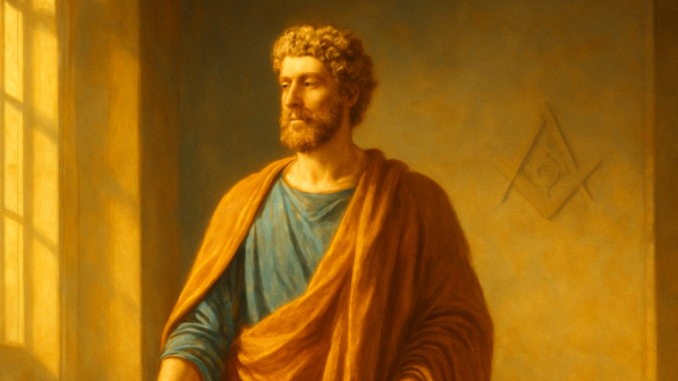
It is early morning on the northern frontier of the Roman Empire. The emperor sits alone in his tent, the fire nearly extinguished, while outside the legions prepare for another day of battle. Marcus Aurelius reaches for his writing tablet and begins to record the thoughts that keep him awake: reflections on the brevity of life, on what truly matters when everything passes away. These personal meditations, written amid war and immense responsibility, form the second book of his Meditations — a text that has confronted readers for nearly two thousand years with an uncomfortable yet liberating truth: everything is impermanent, and precisely for that reason, every moment counts.
The Heart of Book II: Waking Up to Reality
Book II of the Meditations opens with one of the most strikingly direct passages Marcus Aurelius ever wrote. He warns himself that during the day ahead, he will encounter people who are meddlesome, ungrateful, arrogant, and dishonest. But rather than treating this as grounds for resentment or contempt, he reminds himself that these people act out of ignorance about what is truly good and what is truly harmful. They are, just like him, part of the same human community. This opening sets the tone for the entire book: a radical acceptance of the human condition, combined with a call to inner discipline.
The central theme running through every fragment is impermanence. Marcus Aurelius returns again and again to the same thought: everything we possess, everyone we know, and we ourselves will vanish. Names that once were on everyone’s lips are now forgotten. Empires that seemed eternal have crumbled to dust. Yet for Marcus Aurelius, this observation is not a source of despair — it is a source of clarity. If everything passes, what remains worth pursuing? Only that which lies within your own power: your character, your intentions, your choices in the present moment.
The Vivid Imagery of Marcus Aurelius
To drive his points home, Marcus Aurelius draws on powerful metaphors. He describes human life as a brief military posting in a foreign land — we are merely guests passing through. Elsewhere, he compares our time on earth to a single drop in the ocean of eternity, or to a fleeting shadow. These images are not intended to diminish us, but to liberate us from the tyranny of trivial concerns. Why lose sleep over status or wealth when even the most powerful emperors have been forgotten?
Particularly striking is his reference to earlier generations. He reflects on how the courts of Augustus, the philosophers of old, entire cities and civilizations have vanished as though they never existed. This is not pessimism — it is an invitation to perspective. Marcus Aurelius asks: if this fate awaits everyone, why would we waste our precious time on anger, greed, or vain pursuits?
Daily Practice: Living with Full Awareness
Book II is not an abstract philosophical treatise. It is a practical guide for daily living. Marcus Aurelius writes for himself, as a reminder of how he wants to approach each new day. He urges himself to realize upon waking that he was born as a human being to work, to contribute, and to live in harmony with others. Sleeping late, complaining about the day, or retreating into self-pity — these are foreign to him. Life demands presence.
The impermanence of life is not a reason for despair, but an invitation to live every moment with full attention.
A recurring motif is the importance of the present moment. Marcus Aurelius warns against postponing the good life to some later date, as if there will always be more time. Death can arrive at any moment, and this awareness should not paralyze — it should liberate. It makes every action, every conversation, every choice meaningful. Not because any single act carries cosmic consequences, but because these moments are all we truly have.
The Inner Citadel: A Stoic Ideal
In Book II, Marcus Aurelius also introduces the image of the inner citadel — a concept he develops further in later books. The idea is that the external world can take much from us, but there exists an interior space that remains untouchable. Our thoughts, our attitudes, our responses to what happens to us — that domain belongs entirely to ourselves. No one can force you to become bitter or fearful, unless you allow it.
This Stoic ideal of inner freedom is remarkably relevant in a world filled with uncertainty. Marcus Aurelius lived through wars, epidemics, and political intrigue. Yet he found an anchor in this philosophy — not by denying reality, but by choosing how he responded to it. That choice, he maintains, is the only thing that truly belongs to us.
Resonance with Freemasonry
The themes of Book II find powerful echoes within Freemasonry. The impermanence of life plays a central role in Masonic tradition as well. The symbolism of the skull — the memento mori — reminds the Freemason that earthly existence is finite. This is not a morbid obsession, but a call to wisdom: live in such a way that your work is valuable, regardless of how long it endures. Build not only temples of stone, but the inner temple of your character.
Marcus Aurelius’ emphasis on self-discipline, moral development, and service to the community aligns closely with Masonic ideals. The rough ashlar that must be shaped into a perfect cube is precisely the work the Roman emperor describes: the constant refining of the self, the chiseling away of vices, the striving to become a better person. Not for fame or reward, but because it is the right way to live.
Just as the Entered Apprentice learns to work with basic tools on the rough stone, Marcus Aurelius teaches himself to begin each day with intention, patience, and humility. The Masonic lodge, like the emperor’s tent on the frontier, becomes a space for reflection — a place where one confronts the truth about human frailty and finds the resolve to build something enduring from within.
Book II of the Meditations was written by an emperor in the second century, but its message is timeless. Whether you live in the Roman Empire or in the modern world, the fundamental questions remain the same: How do you spend your limited time? What do you build that outlasts you? Marcus Aurelius offers no easy answers, but he provides something more valuable — a framework for living with clarity, purpose, and courage in the face of life’s impermanence. For Freemasons especially, his words serve as a powerful reminder that the most important work is always the work we do on ourselves.
Copyright text & image: devrijmetselaar.nl
Texts are based on the ideas and content of the author of devrijmetselaar.nl, reviewed, corrected, and supplemented with the assistance of OpenAI. Images are created based on the ideas of the author of devrijmetselaar.nl using OpenAI/DALL-E.
Frequently Asked Questions
What is the main theme of Marcus Aurelius' Book II of the Meditations?
The central theme of Book II is impermanence. Marcus Aurelius repeatedly emphasizes that everything we possess, everyone we know, and we ourselves will eventually vanish. Rather than causing despair, he presents this realization as liberating—it clarifies what truly matters: our character, intentions, and choices in the present moment.
Why did Marcus Aurelius write his Meditations during wartime?
Marcus Aurelius wrote his personal meditations while serving as emperor on the northern frontier of the Roman Empire during military campaigns. He recorded his reflections on life's brevity and meaning while managing immense responsibility and preparing for battle, using writing as a means to process his thoughts during sleepless nights.
How does Marcus Aurelius suggest we should respond to difficult people?
Rather than feeling resentment or contempt toward meddlesome, ungrateful, or dishonest people, Marcus Aurelius advises that we recognize they act out of ignorance about what is truly good and harmful. He advocates for radical acceptance and reminds us that these individuals are part of the same human community, promoting inner discipline and compassion instead of judgment.

Be the first to comment