
Vrijmetselarij - Luqman uit de Koran: wijze lessen voor het dagelijks leven
Islam

Luqman from the Quran: Wise Lessons for Everyday Living

Picture a father taking his son on a walk, sharing life’s most important lessons step by step. No abstract philosophy — just concrete, practical guidance for living a virtuous life. This is precisely what we find in the thirty-first chapter of the Quran, Surah Luqman. For Freemasons, who place personal growth and moral development at the heart of their work, this ancient text contains remarkably familiar insights that remain directly applicable to daily life. Who Was Luqman and Why Does His Wisdom Matter? In Islamic tradition, Luqman is regarded as a wise man — possibly an Ethiopian healer or judge — who lived around the time of King David. Unlike the prophets, he received no divine revelation. Instead, he was endowed with practical wisdom. This makes his position uniquely compelling: he stands closer to the ordinary person who arrives at insight through reflection and lived experience. For the Freemason, this is a familiar idea. Lodge work is not about receiving absolute truths handed down from above. It is about independently seeking light and developing understanding one step at a time. Luqman embodies this journey of self-directed learning, making him a figure that resonates deeply across traditions. The surah contains thirty-nine […]
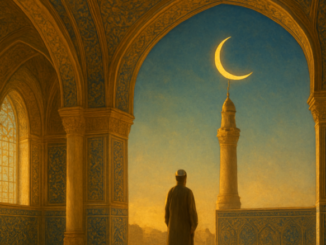
Open Quran beside Masonic square and compasses symbolizing shared spiritual wisdom
Islam

Surah Al-Mu’minun: Lessons for Freemasons’ Spiritual Growth

Standing before the mirror each morning, you might ask yourself: am I truly living according to my own values? It is a question people have posed for centuries, regardless of background or tradition. The twenty-third surah of the Quran, known as Al-Mu’minun — The Believers — opens with a remarkable description of what sincere spirituality looks like in practice. This text from the Islamic tradition offers surprisingly concrete guidance that resonates with Freemasonry’s enduring quest for moral refinement and inner growth. The Heart of Surah Al-Mu’minun Surah Al-Mu’minun was revealed in Mecca and consists of 118 verses. It opens directly with the qualities of believers who will succeed in life. What stands out is how tangible these qualities are. The surah names specific actions: humility in prayer, avoiding idle talk, keeping promises, and safeguarding one’s integrity. These are not lofty ideals that feel out of reach — they are daily choices available to every human being. The surah continues with stories of prophets who called their communities to reflection. Names such as Noah and Moses appear alongside references to creation itself as a sign of a greater whole. A central theme keeps returning: true spirituality reveals itself not in words […]

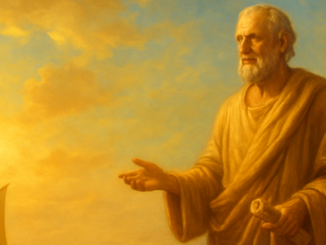
Ancient Stoic philosophy scroll with Masonic square and compasses symbol
Lucius Annaeus Seneca – Content & Summary

Seneca Letter XVI: Philosophy as a Guide for Living

What does it truly mean to practice philosophy? Is it enough to read books and collect wise quotations, or does the love of wisdom demand something far more fundamental? In his sixteenth letter to Lucilius, Lucius Annaeus Seneca explores these questions with the directness and warmth that define his celebrated correspondence. This letter reveals why philosophy cannot remain an intellectual hobby — it must become a compass for daily action. What Is the Central Question of This Letter? Seneca opens with an observation that still resonates nearly two thousand years later: many people claim to be philosophers, yet their lives tell a different story. They can quote Plato and recite the doctrines of the Stoics, but the moment fate tests them, they fall prey to the same fears and desires as everyone else. The central question Seneca poses is therefore not “what do you know?” but “how do you live?” This distinction between knowledge and practice forms the heart of Letter XVI. Seneca argues that philosophy only acquires real value when it shapes character and directs action. A philosopher who fails to embody his own principles is like a physician who cannot heal himself. Philosophy, as Seneca puts it, must […]