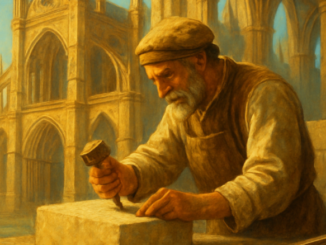
Ancient stone tools and rough ashlar symbolizing Freemasonry's journey toward justice
Symbolism & Rituals

Violence and Justice: A Historic Look at Human Darkness

In 1762, Cesare Beccaria published his groundbreaking treatise on crime and punishment, arguing for a more just approach to violence and retribution. When we are confronted today with atrocities that defy our imagination, a fundamental question arises: how should society respond to such evil? Freemasonry, with its centuries-old emphasis on moral improvement and justice, offers a historical framework for reflecting on these profound questions. The Enlightenment Ideal of Justice The eighteenth century brought a fundamental shift in how Western civilization thought about crime and punishment. Philosophers like Voltaire and Montesquieu railed against arbitrary and cruel penalties. They believed that civilization was best served by a legal system that pursued rehabilitation rather than revenge. Beccaria’s work became a source of inspiration for reformers across Europe, including many Freemasons who debated the ideal society within the walls of their lodges. During this period, a new awareness emerged: extreme acts of violence were not merely crimes against an individual but offenses against the entire human community. The ritual work of Freemasonry reflected this understanding. The symbolic journey from darkness to light represented the possibility of moral transformation — even in the darkest of circumstances. The Rough Ashlar and the Shadow Side of Humanity […]
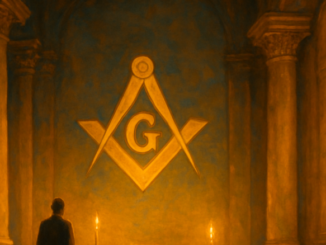
Masonic square and compasses symbol representing the fraternity of Freemasonry
Freemasonry & Society

What Is Freemasonry? Origins, Values, and Philosophy

Freemasonry is one of the oldest and most influential fraternal organizations in the world, with roots stretching back to the early eighteenth century. It’s a question many people ask — what is Freemasonry, really? — and the answer is far richer and more nuanced than most expect. Freemasonry is not a religion, not a political movement, and not a secret society in the sensationalized way popular culture might suggest. It is an ethical and philosophical brotherhood that brings men — and in some lodges, women — together around shared values such as fraternity, truth, charity, and moral self-improvement. Through symbolism, ritual, and philosophical reflection, Freemasonry invites its members on a lifelong journey of personal growth and service to society. The Historical Background of Freemasonry From Stonemasons to Philosophers: The Medieval Guilds The history of Freemasonry begins with the medieval craft guilds of masons and stonemasons. During the Middle Ages, the skilled craftsmen who built Europe’s great cathedrals, churches, and castles were organized into guilds that carefully guarded their trade knowledge, techniques, and tools. These guilds had their own rules, initiation ceremonies, and signs of recognition that allowed members to identify one another and distinguish themselves from outsiders. The so-called “operative […]

Vrijmetselarij - Wat is vrijmetselarij?
General

What is Freemasonry?

Freemasonry is one of the world’s oldest and most widely recognized fraternal organizations, uniting men across cultures, borders, and centuries through shared values, symbolic ritual, and a commitment to personal and moral development. To ask what is Freemasonry is to open a door to a fascinating tradition that has shaped philosophers, statesmen, architects, and artists — and continues to offer meaning and brotherhood to hundreds of thousands of members worldwide today. Far from the shadowy caricature sometimes painted in popular culture, Freemasonry is a transparent, structured, and deeply thoughtful institution rooted in timeless human ideals. Historical Background: The Origins of Freemasonry Understanding what Freemasonry is requires looking back at its origins, which are both historical and, in part, deliberately symbolic. The organization traces its operative roots to the medieval stonemason guilds of Europe — skilled craftsmen who built the great cathedrals, castles, and civic buildings of the Middle Ages. These guilds developed systems of recognition, mutual aid, and graduated knowledge to protect their craft and regulate entry into the profession. The tools they used — the square, the compass, the level, and the plumb line — became the symbolic vocabulary of the fraternity that would eventually evolve from their ranks. […]

Vrijmetselarij - The History of Freemasonry: From Medieval Builders to Modern
History

The History of Freemasonry: From Medieval Builders to Modern

Freemasonry has long sparked a sense of mystery and fascination. What happens behind the doors of a lodge? Where does this centuries-old tradition come from? And why does it continue to inspire men around the world to work on themselves and strive for a better society? In this article, we take a deep dive into the history of Freemasonry — not as dry historians cataloguing facts, but as curious explorers searching for meaning, inspiration, and connections that have stood the test of time. Medieval Roots: From Master Builders to Brotherhood The origins of Freemasonry are layered with symbolism, myth, and historical complexity. Most historians trace its roots back to the Middle Ages — specifically to the stonemason guilds that built Europe’s great cathedrals. These guilds were far more than trade organizations. They passed on not only technical skills but also cultivated moral and ethical values among their members. The construction of Gothic cathedrals was no simple undertaking. It required cooperation, dedication, and above all: vision. The symbolism of building — shaping rough stones into a harmonious whole — remains at the very heart of Freemasonry today. The only difference is that the “building site” has become an inner one. From […]

Historic library interior symbolizing Freemasonry's contribution to public education
Freemasonry & Society

Libraries and Cultural Centers Built by Freemasonry

Freemasonry has always maintained a profound connection with knowledge, education, and culture. In the Netherlands, this commitment led to the establishment of libraries and cultural centers that offered far more than books — they provided spaces for dialogue, intellectual growth, and community building. Often supported by Masonic lodges, these institutions played a crucial role in making literature, science, and the arts accessible to a broad public. The Importance of Libraries in the 19th Century In the 19th century, libraries were rare and often exclusively accessible to the wealthy and privileged. Freemasons viewed this inequality as a significant barrier to social progress and decided to take action. They founded libraries that were open to everyone, regardless of background or social standing. These libraries were far more than simple repositories for books. They functioned as centers of enlightenment where people could meet, share knowledge, and explore new ideas together. In an era when access to information was a luxury, these Masonic-supported institutions represented a radical commitment to intellectual freedom. The Role of Freemasonry in Promoting Knowledge and Culture Freemasonry played a key role in the founding of libraries and cultural centers, guided by several core principles. First and foremost was the belief […]

Historical people's bank building symbolizing Freemasonry and financial equality
Freemasonry & Society

People’s Banks and Freemasonry – Finance for the Common Man

In an era when access to financial resources was largely reserved for the wealthy elite, people‘s banks represented nothing short of a revolution. These institutions, founded to support small entrepreneurs and laborers, found powerful allies in Freemasons — men driven by ideals of equality and brotherhood. Together, they helped establish people’s banks across the Netherlands, contributing to economic emancipation and self-reliance for those who needed it most. The Origins of People’s Banks People’s banks emerged during the 19th century, a period marked by stark economic inequality. Small business owners and working-class laborers had little or no access to traditional banking services. Instead, they were forced to rely on moneylenders who charged exorbitant interest rates. The concept behind people’s banks was straightforward: provide individuals with limited means access to affordable loans and savings facilities. Freemasons, long known for their involvement in social reform, recognized people’s banks as a powerful vehicle for promoting economic equality. They leveraged their networks and organizational expertise to help establish these banks and ensure they operated successfully. Freemasonry and Economic Emancipation The support Freemasons offered to people’s banks was deeply rooted in their core values. Equality stood at the forefront — Freemasons envisioned a society where everyone […]

Historic rescue boat symbolizing Freemasonry's contribution to lifesaving services
Freemasonry & Society

Rescue Services and Freemasonry – A Legacy of Aid in Need

Freemasonry has long been associated with the pursuit of a better world through solidarity, knowledge, and practical action. One of the most tangible contributions Freemasons have made — particularly in the Netherlands — is their pivotal role in establishing organized rescue services. Born out of a response to natural disasters and life-threatening emergencies, these efforts reflect the Masonic ideals of brotherhood and care for one’s fellow human beings in their most powerful form. The Origins of Organized Rescue Services The Dutch rescue services trace their roots to the 19th century, a period when devastating storms and floods regularly claimed lives and caused widespread destruction. During this era, there were no official disaster relief organizations. Instead, local communities and philanthropic networks stepped in to fill the void — and Freemasons were at the forefront of these efforts. Masonic lodges established funds, organized training for volunteers, and procured essential rescue equipment such as boats and other lifesaving tools. These grassroots actions, driven by a genuine sense of duty and compassion, laid the groundwork for what would eventually become the modern, professional rescue infrastructure we know today. Masonic Ideals at the Heart of Lifesaving The connection between Freemasonry and rescue work is no […]

Symbolic representation of Freemasonry evolving in the 21st century
History

The History of Freemasonry in the 21st Century

The 21st century ushered in an era of globalization, digital transformation, and rapid social change. For Freemasonry — an institution with roots stretching back centuries — this has presented a unique challenge: how to remain relevant in a world that looks vastly different from the one in which it was founded. In this post, we explore how the Craft is blending its time-honored traditions and values with modern technology, greater diversity, and a renewed sense of purpose. Digital Transformation One of the most significant shifts of the 21st century has been the rise of digital communication, and Freemasonry has not been immune to its influence. Lodges around the world now use websites, social media platforms, and email newsletters to share information, promote events, and connect members across geographic boundaries. What once required physical correspondence and word of mouth can now reach thousands with the click of a button. The COVID-19 pandemic accelerated this digital adoption dramatically. When lodges were forced to close their doors, platforms like Zoom and Microsoft Teams became lifelines for fraternal connection. Virtual meetings, educational lectures, and even degree discussions moved online, allowing brothers to stay engaged during an unprecedented period of isolation. Many of these digital […]

18th-century Masonic lodge meeting symbolizing the birth of modern Freemasonry
History

Freemasonry in the 18th Century: From the First Grand Lodge

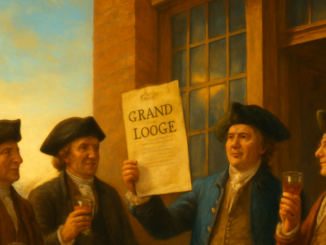
The 18th century was not only the age of Enlightenment — it was the era in which Freemasonry transformed from a handful of local lodges into a worldwide network with lasting influence on society. This extensively updated article explores how Masonic lodges served as incubators for revolutionary ideas about liberty, equality, and fraternity, and how the Craft shaped some of the most consequential events in modern history. The 1700s were a time of revolution, intellectual awakening, and the rapid spread of ideas about freedom and equality. It was also a pivotal century in the history of Freemasonry. From the founding of the first Grand Lodge to the Craft’s involvement in world-changing political movements, the 18th century established Freemasonry as a powerful force for social and philosophical change. The First Grand Lodge of London (1717) The century opened with a landmark moment for the Craft: the founding of the first Grand Lodge in London in 1717. Four London lodges came together to form a central governing body — an event widely regarded as the official birth of modern Freemasonry. The establishment of the Grand Lodge did far more than create an organizational framework. It introduced a standardized structure of degrees, rituals, […]

Historical image representing Freemasonry during the Second World War
History

Freemasonry During the Second World War

The Second World War marked one of the darkest chapters in the long history of Freemasonry. Across Nazi Germany and the occupied territories, Freemasons were systematically targeted, persecuted, and silenced. Yet even in the face of totalitarian oppression, the Craft’s core ideals of liberty, equality, and brotherhood endured — sometimes at extraordinary personal cost. Why the Nazis Targeted Freemasonry Nazi ideology was built on antisemitism, extreme nationalism, and elaborate conspiracy theories. Freemasonry, with its emphasis on universal brotherhood and its tradition of private meetings, became an easy target. The regime falsely portrayed the fraternity as a shadowy network conspiring against the state, lumping it together with Jewish communities and other perceived enemies. In reality, Freemasonry stood for exactly the kind of values — tolerance, free thought, and human dignity — that totalitarian regimes cannot tolerate. The Ban on Freemasonry in Germany and Occupied Territories When Adolf Hitler rose to power in 1933, Freemasonry was swiftly banned throughout Germany. Lodges were forced to close their doors, their assets seized, and their records confiscated. Well-known Masonic symbols such as the Square and Compasses were deliberately distorted in propaganda materials to fuel conspiracy theories and public distrust. As German forces swept across Europe, […]