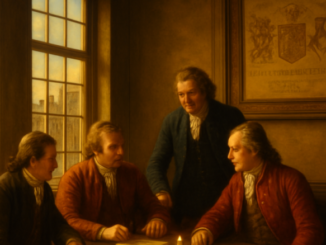
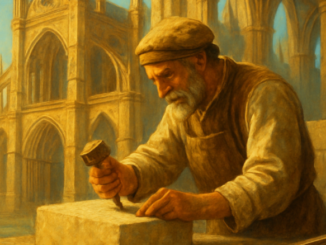
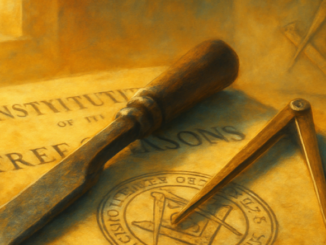
Historic Dutch Masonic lodge interior representing Freemasonry in the Netherlands
History

History of Freemasonry in the Netherlands: Three Centuries

The history of Freemasonry in the Netherlands is a fascinating journey through more than three centuries of brotherhood, Enlightenment ideals, and civic engagement. From the founding of the first Dutch lodge in the early eighteenth century, Freemasons have played a remarkable role in the cultural, intellectual, and social life of the country. While the story mirrors broader European developments, Dutch Freemasonry has a distinctive character of its own — shaped by the Netherlands’ deep-rooted traditions of tolerance, commerce, and civic idealism. The Earliest Roots: Freemasonry in Europe Before the Netherlands To understand the history of Freemasonry in the Netherlands, it helps to first consider its European origins. Modern Freemasonry is typically traced back to the founding of the Grand Lodge of London in 1717 — widely regarded as the official beginning of speculative or symbolic Freemasonry. Before that pivotal moment, guilds of operative masons — skilled craftsmen who built the great cathedrals and castles of Europe — had already established traditions, symbols, and rituals that would form the foundation for a new, more philosophically oriented movement. The English Enlightenment fostered a climate of rational thinking, religious tolerance, and scientific curiosity. In that spirit, intellectuals, nobles, and merchants came together in […]

Vrijmetselarij - Wat is vrijmetselarij?
General

What is Freemasonry?

What Is Freemasonry? A Comprehensive Guide to the World’s Most Enduring Fraternity Few organizations in human history have inspired as much curiosity, admiration, and mythology as Freemasonry. From the grand lodge halls of London and Paris to modest meeting rooms in small towns across the globe, Freemasons have gathered for centuries to pursue personal development, practice ancient rituals, and build bonds of brotherhood. But what is Freemasonry, exactly? Is it a religion, a secret society, a philosophical school, or simply a club for like-minded men? The answer, as with most things worth understanding, is both simpler and more profound than popular imagination tends to suggest. This page offers a thorough, honest, and respectful overview of Freemasonry — what it is, where it comes from, what its members believe and practice, and why it continues to attract thoughtful people in the twenty-first century. Whether you are considering membership, conducting research, or simply curious, you will find everything you need to know here. Definition: What Is Freemasonry? Freemasonry is a fraternal organization built around a system of moral philosophy, symbolism, and ritual. It brings together men from diverse backgrounds — different professions, religions, and nationalities — under a shared commitment to self-improvement, […]

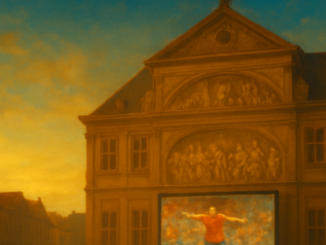
Historic Zutphen cityscape symbolizing the meeting of royal and Masonic traditions
History

Charles of Sweden and Zutphen: Two Worlds, One Quest

The name Charles of Sweden surfaces in the archives of Zutphen, a historic Dutch city deeply intertwined with European royal history. But what connects a Scandinavian crown prince with a small trading town on the River IJssel? And perhaps more importantly, what can we learn when we compare the world of royal succession with the fraternal tradition of Freemasonry? Both traditions feature initiations, rituals, and a profound sense of continuity — yet they differ fundamentally in how they view access to wisdom and responsibility. Charles of Sweden and His Historical Ties to Zutphen Over the centuries, Sweden’s royal Charleses maintained kinship lines with the House of Orange and various German princely families. Zutphen, as a strategic Hanseatic city on the IJssel, played a notable role in the political and military history of the Low Countries. It is no coincidence that the names of Scandinavian monarchs appear in the archives of this region. Trade routes, dynastic marriages, and military alliances wove an intricate web of connections between Northern Europe and the cities of Gelderland. For the historian, this connection is a matter of documentation — family trees and treaties. But for those who look with different eyes, a deeper layer reveals […]

Football supporters united in shared emotion, paralleling Masonic lodge rituals
Freemasonry & Society

From Stadium Atmosphere to Lodge: What Football Teaches Us

Thousands of supporters gather in squares and pubs to watch their national team play. With every goal, a wave of collective joy surges through the crowd. When the opposition scores a late equalizer, shared disappointment settles like a blanket over the masses. This pattern of celebrating together and suffering together is as old as humanity itself. The question Freemasons ask is this: what makes shared emotion so powerful, and what can it teach us about the enduring value of ritual? The Roman Origins of Collective Experience In ancient Rome, hundreds of thousands of citizens gathered in the Colosseum and at the circuses to witness spectacles together. This was no casual entertainment. The Roman poet Juvenal, writing around 100 AD, described how the people longed for panem et circenses — bread and circuses. But beneath this seemingly superficial observation lies a deeper truth: human beings have an innate need for shared experiences that lift them beyond the individual self. Roman arenas were carefully designed spaces where the collective became more important than the individual. The architecture, the ritual announcements, the shared tension — everything was orchestrated to bring thousands of people into a single emotional rhythm. Historians refer to this as […]

Vrijmetselarij - The History of Freemasonry: From Medieval Builders to Modern
History

The History of Freemasonry: From Medieval Builders to Modern

Freemasonry has long sparked a sense of mystery and fascination. What happens behind the doors of a lodge? Where does this centuries-old tradition come from? And why does it continue to inspire men around the world to work on themselves and strive for a better society? In this article, we take a deep dive into the history of Freemasonry — not as dry historians cataloguing facts, but as curious explorers searching for meaning, inspiration, and connections that have stood the test of time. Medieval Roots: From Master Builders to Brotherhood The origins of Freemasonry are layered with symbolism, myth, and historical complexity. Most historians trace its roots back to the Middle Ages — specifically to the stonemason guilds that built Europe’s great cathedrals. These guilds were far more than trade organizations. They passed on not only technical skills but also cultivated moral and ethical values among their members. The construction of Gothic cathedrals was no simple undertaking. It required cooperation, dedication, and above all: vision. The symbolism of building — shaping rough stones into a harmonious whole — remains at the very heart of Freemasonry today. The only difference is that the “building site” has become an inner one. From […]

Historic Masonic lodge interior symbolizing the history of Freemasonry
History

The Official History of Freemasonry: Origins to Today

Freemasonry is an ancient organization steeped in mystery, ritual, and symbolism. What began as a brotherhood of stonemasons in the Middle Ages has evolved into a worldwide community with deep spiritual and philosophical dimensions. This article traces the official history of Freemasonry, from its earliest origins to its present-day form. The Origins of Freemasonry The roots of Freemasonry reach back to the Middle Ages, when stonemasons and master builders organized themselves into guilds. These skilled craftsmen didn’t just construct cathedrals and churches — they also worked according to strict codes of ethics and craftsmanship. The guilds protected their trade secrets through passwords and symbols, which later became core elements of Masonic ritual. During the 17th century, the nature of these organizations began to shift. The guilds started admitting members who had no direct connection to the building trades. This marked the crucial transition from “operative” to “speculative” Freemasonry. The focus moved away from physical construction toward a symbolic quest for wisdom and self-improvement. The Rise of Modern Freemasonry The year 1717 is widely regarded as a turning point in the history of Freemasonry. In London, four lodges came together to form the first Grand Lodge of England. This moment is […]