Explore the intersection of Freemasonry and literature through philosophical works that examine utopian ideals and the search for meaning in Masonic traditions.
Symbolism & Rituals
Voltaire’s El Dorado: The Utopia as a Mirror of Ourselves
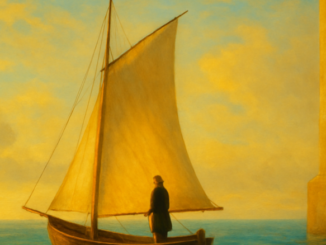
Somewhere in the heart of Voltaire’s satirical masterpiece Candide lies a hidden valley where gold rolls across the roads like gravel and children play with gemstones as though they were marbles. This is El Dorado — a place that appears on no map yet dwells deep within human consciousness. Voltaire was not merely painting a fairy-tale kingdom. He was holding up a mirror, asking a question that resonates across centuries: what does our longing for a perfect world reveal about who we really are? Discovering the Undiscoverable Land Candide and his companion Cacambo reach El Dorado only after a long and perilous journey through hostile terrain. They drift along a river that carries them into a valley surrounded by unscalable cliffs. Voltaire chose this route with deliberate care: the hidden paradise cannot be reached through the usual paths of ambition or conquest. The river carries them there passively, as if in an act of surrender to the unknown. This symbolism speaks to a deeper truth about spiritual discovery — the highest things are not seized but received. In El Dorado, the travelers encounter a society that defies everything they have ever known. There is no poverty, no injustice, no religious […]