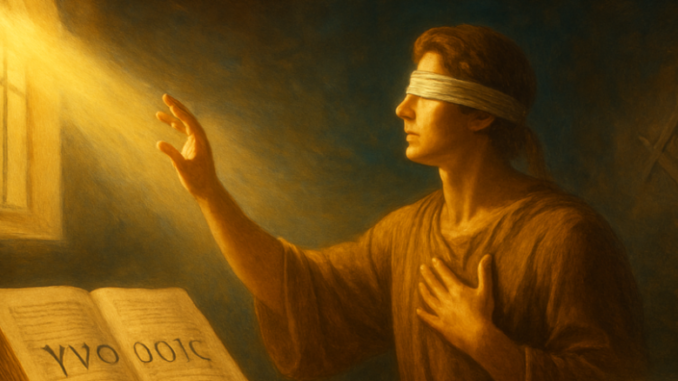
The quest for truth and knowledge is a fundamental aspect of the human experience. In esoteric and spiritual traditions, three concepts play a significant role: gnosis, gnosticism, and agnosticism. Each of these terms has its own meaning and philosophical implications. In this blog, we explore these concepts and how they relate to Freemasonry, a fraternity where personal development and spiritual insight are central.
What is Gnosis?
Gnosis is derived from the Greek word γνῶσις, meaning “knowledge.” Unlike scientific or intellectual knowledge, gnosis refers to inner, spiritual knowledge. It is a profound insight gained through personal experience rather than external teachings.
Gnosis is often associated with mysticism and esotericism, emphasizing the direct experience of the divine or higher consciousness. In many spiritual traditions, including certain branches of Freemasonry, gnosis is a crucial concept. It signifies that true knowledge is not imparted through books or teachers but through personal transformation and inner enlightenment.
In Freemasonry, gnosis is often symbolized by light. Freemasons speak of “seeking the light,” which is a metaphor for the quest for wisdom and understanding. This light represents not only rational knowledge but also spiritual awakening and awareness.
Gnosticism: The Philosophy of Gnosis
Gnosticism is a religious and philosophical movement that takes gnosis as its foundation. In the early centuries after Christ, various gnostic schools emerged, claiming that the material world was an illusion or a trap created by a lower deity, the Demiurge. According to the Gnostics, humans are inherently divine but trapped in an earthly, flawed reality.
Gnostic traditions emphasize:
- That spiritual knowledge is the key to salvation.
- That the material world is merely a shadow of a higher, transcendent reality.
- That the divine is not external but resides within us.
Although Freemasonry is not a gnostic religion, there are interesting parallels. Masonic rituals contain symbolism reminiscent of gnostic ideas. Consider, for example, the figure of Hiram Abiff, the mythical architect of Solomon’s Temple, who dies and is reborn—a process referring to spiritual transformation. This aligns with the gnostic idea that through inner knowledge and awareness, humans can discover a deeper reality.
Agnosticism: The Unknowable Truth
Agnosticism is a very different concept from gnosis and gnosticism. The term was popularized in the 19th century by biologist Thomas Huxley and literally means “without knowledge” (a-gnosis). Agnostics argue that certain truths, such as the existence of God or a higher reality, are unknowable to humans.
Unlike atheists, who reject the existence of a god, agnostics take a skeptical position. They claim that humans lack the means to make definitive statements about the supernatural.
Freemasonry is not a dogmatic organization and welcomes both theists and agnostics. Some Masonic lodges require belief in a Supreme Being (such as the Grand Architect of the Universe), while others are more philosophically open. This means that an agnostic perspective is not necessarily a barrier to joining Freemasonry. In fact, Freemasonry encourages an open, inquisitive mindset, which aligns with the agnostic mentality.
The Relationship Between These Three Concepts and Freemasonry
Freemasonry is not a religion, but it does contain much symbolism and philosophical ideas that intersect with gnosis, gnosticism, and agnosticism.
- Gnosis within Freemasonry refers to the inner search for light, wisdom, and truth.
- Gnosticism resonates with the Masonic philosophy of personal transformation and discovering higher truths through symbols and rituals.
- Agnosticism fits within the Masonic mentality of openness and independent thinking. Freemasonry does not impose a specific belief system on its members but encourages them to seek their own truth.
A key feature of Freemasonry is its initiatory nature. This means that through rituals and degrees, members undergo an inner journey. This process has many similarities with gnostic concepts of spiritual elevation and awakening. At the same time, there is room for an agnostic perspective, as Freemasonry does not dictate absolute truths.
Conclusion
Gnosis, gnosticism, and agnosticism are three concepts with different meanings, yet they share a common theme: the pursuit of knowledge and truth. Within Freemasonry, elements of all these approaches can be found. Freemasons strive for enlightenment through knowledge, symbolic transformation, and questioning the unknown.
Whether one seeks inner gnosis, follows the gnostic spiritual journey, or adopts an agnostic stance, Freemasonry offers a platform where personal growth and wisdom take center stage. Ultimately, it is up to each Freemason to choose their own path and discover the light of truth.
Copyright text & image: devrijmetselaar.nl
Texts are based on the ideas and content of the author of devrijmetselaar.nl, reviewed, corrected, and supplemented with the assistance of OpenAI. Images are created based on the ideas of the author of devrijmetselaar.nl using OpenAI/DALL-E.
Frequently Asked Questions
What does 'seeking the light' mean in Freemasonry?
In Freemasonry, 'seeking the light' is a metaphor for the quest for wisdom, understanding, and spiritual awakening. It represents the pursuit of gnosis—inner, spiritual knowledge gained through personal transformation and enlightenment rather than external teachings alone. This symbol embodies the Masonic commitment to personal development and the discovery of higher consciousness.
Is Freemasonry a gnostic religion?
No, Freemasonry is not a gnostic religion, but it does share interesting philosophical parallels with gnostic traditions. Both emphasize inner spiritual knowledge and personal transformation as paths to deeper understanding. Masonic rituals contain symbolism that aligns with gnostic ideas, such as the death and rebirth of Hiram Abiff, which symbolizes spiritual awakening and the discovery of a higher reality within oneself.
Can agnostics be Freemasons?
Yes, agnostics are welcome in Freemasonry. The fraternity is not a dogmatic organization and does not require members to hold specific religious beliefs about God or the supernatural. Freemasonry respects the personal beliefs of its members, making it an inclusive community for both theists and agnostics who share a commitment to personal growth, moral development, and the pursuit of knowledge.
How does gnosis differ from regular knowledge?
Gnosis refers to inner, spiritual knowledge gained through direct personal experience and transformation, rather than intellectual study or external teachings. While regular knowledge comes from books, teachers, or scientific understanding, gnosis emphasizes spiritual awakening and a profound connection to higher consciousness. In Freemasonry, this distinction is central to the journey of self-discovery and enlightenment.
What is the main difference between gnosticism and agnosticism?
Gnosticism is a spiritual philosophy that claims inner, divine knowledge (gnosis) is the key to salvation and spiritual truth, while agnosticism is the belief that certain truths—particularly about God or the supernatural—are unknowable to humans. Gnosticism is assertive about the possibility of spiritual knowledge, whereas agnosticism takes a skeptical position about what can be definitively known about such matters.

Be the first to comment