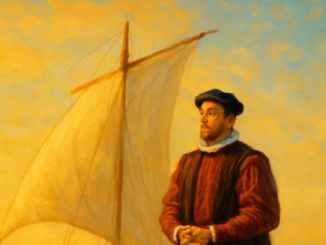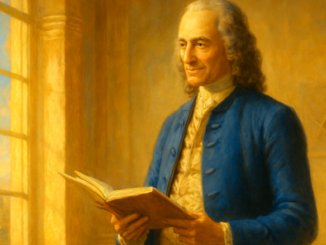
Voltaire and the Enlightenment: Reason and Brotherhood United
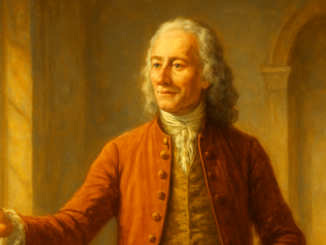
Why does the thought of François-Marie Arouet — better known as Voltaire — remain so strikingly relevant nearly three centuries later for anyone reflecting on human progress? And what does his vision of reason and brotherhood mean for Freemasonry today? In this exploration, we examine the core ideas of his Enlightenment philosophy and discover how they resonate with the values that Brethren around the world hold dear. Who Was Voltaire and Why Did He Champion Reason? Voltaire lived from 1694 to 1778 and is widely regarded as one of the most influential thinkers of the European Enlightenment. His pen was feared and admired in equal measure. He wrote plays, philosophical treatises, pamphlets, and a vast body of correspondence. But above all else, he was a defender of human reason as a compass for life. Voltaire witnessed firsthand how superstition, dogmatism, and intolerance divided the people of his era. His answer? Reason as a universal bond between human beings, regardless of their origin or creed. In his writings on the Enlightenment, Voltaire argues that true civilization does not spring from blind obedience to tradition, but from the ability to think critically while showing genuine respect for one’s fellow human beings. This […]