Rough ashlar stone with gavel and chisel symbolizing Masonic self-reflection
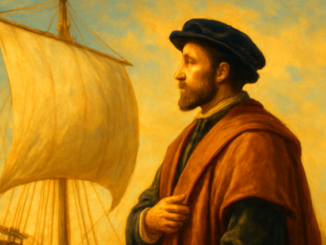
Michel de Montaigne – Freemasonry & Connection

Montaigne on Preaching Virtue: When Good Intentions Fail

You probably recognize this scenario: someone with the best of intentions lectures others about how they should live, while quietly struggling with those very same shortcomings. Or perhaps you’ve caught yourself offering unsolicited advice when your own house was far from being in order. In the sixteenth century, Michel de Montaigne wrote a remarkably short but incisive essay on this very phenomenon — that preaching virtue can itself become a kind of vice. His observation touches on something that also lies at the heart of Freemasonry: true wisdom begins with self-reflection, not with correcting others. The Paradox of Moral Admonition Montaigne observed that some people are so busy proclaiming virtue that they forget to practice it themselves. Preaching becomes a form of self-deception — a way of masking personal failings behind a façade of moral superiority. The philosopher from Bordeaux had little patience for this kind of posturing. He saw clearly how rhetorical display so often substitutes for genuine character development. This is not a cynical observation but a call for honesty. Montaigne genuinely believed in virtue, yet he understood that true virtue is quiet work. It is the daily discipline of self-examination, the willingness to face your own shadow […]

Square and compasses on an open copy of Plato's Republic
Plato – Freemasonry & Connection

Plato’s Republic and Justice: A Masonic Dialogue

What is justice, really? Plato poses this question in the opening book of his masterwork The Republic, and it has echoed through the centuries with undiminished force. What makes this question especially compelling for Freemasons is that it lies at the very heart of their Craft. When a Brother enters the lodge, he embarks on a quest for truth and virtue — for right action in a complex world. Plato’s ancient inquiry and the Masonic tradition share far more common ground than one might expect at first glance. Why Does Plato Begin With a Conversation About Justice? The first book of The Republic takes place in the house of Cephalus, a wealthy old man who enters into conversation with Socrates. The setting may seem incidental, but nothing in Plato is accidental. He deliberately chooses a dialogue — a conversation among people with different backgrounds and perspectives. Socrates does not arrive to deliver answers; he comes to think together with others. This method of collectively seeking truth is precisely what Freemasons strive for in their meetings: not to claim wisdom, but to discover it together. Cephalus suggests that justice simply means speaking the truth and repaying your debts. Socrates challenges this […]

Marble bust of Marcus Aurelius with Masonic square and compass symbolism
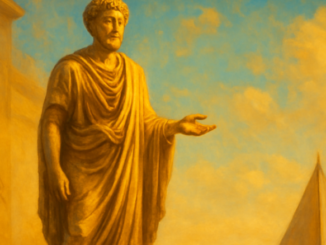
Marcus Aurelius – Freemasonry & Connection

Marcus Aurelius on Virtue as the Only True Value

What if everything you own — your status, your reputation, even your body — were to vanish tomorrow? Would anything of real value remain? Marcus Aurelius, the Roman emperor-philosopher who ruled nearly nineteen centuries ago, posed this question to himself again and again. In the sixth book of his Meditations, he arrives at an answer that is both radical and consoling: only virtue holds genuine worth. This insight resonates profoundly with Freemasonry, where the pursuit of moral perfection and the cultivation of inner qualities stand at the very center of practice. Both traditions converge on a fundamental conviction: who you are matters far more than what you have. The Paradox of the Powerful Philosopher Here we enter curious territory. Marcus Aurelius wielded virtually unlimited power. As emperor, he could amass wealth, destroy enemies, and have his name chiseled in marble for all eternity. Yet night after night, he wrote in his private journal that none of these things moved him. More than that — he regarded them as distractions from what truly matters. Throughout Book VI, he repeats like a mantra that external circumstances are neither good nor bad. They are indifferent, neutral, merely the raw material with which the […]