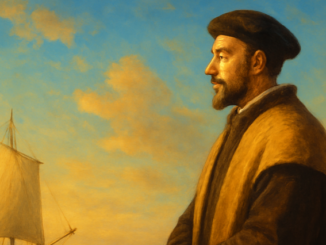
Montaigne on Imagination: Philosophical Roots and Influences
When Michel de Montaigne penned his twentieth essay on the power of imagination, he was drawing from a deep well of philosophical tradition. His observations on how the mind shapes the body were not born in isolation. They stand at a crossroads where ancient wisdom, medieval scholasticism, and Renaissance humanism converge. By exploring the philosophical sources behind this essay, we uncover not only the intellectual landscape of the sixteenth century but also timeless questions about the relationship between mind and matter — questions that continue to resonate today. The Stoic Legacy: The Mind as Shaper of Reality For the Stoics — thinkers like Seneca, Epictetus, and Marcus Aurelius — the human mind was not a passive receiver of impressions but an active shaper of experience. Their central thesis, that it is not events themselves that disturb us but our judgments about them, is a direct precursor to Montaigne’s observations. When he describes how people fall ill merely by thinking about illness, or how the fear of impotence can actually bring it about, the echoes of Stoic insight are unmistakable. Seneca, whom Montaigne read and quoted extensively, wrote at length about how the mind can torment or elevate itself. In his […]