
Rough ashlar stone and chisel symbolizing character shaped by adversity
Personal Development & Leadership

Illness and Character: What Adversity Reveals About Who You Are

A young racing driver falls ill at the worst possible moment — media day, just before a potentially title-deciding race weekend. The cameras are ready, the world is watching, but the protagonist is confined to bed. It’s a scenario anyone can recognize: just when everything is on the line, fate intervenes. The outside world sees vulnerability. The initiated see a touchstone. Because what does adversity actually reveal about who you truly are? That question connects the race track to an ancient tradition that places character above performance. The Outside World’s View: Vulnerability as Weakness When a title contender misses a mandatory media appearance due to illness, the world’s reaction is predictable. Analysts speculate about the consequences for the championship. Rivals smell blood. Commentators wonder whether the pressure has finally become too much. In modern sports culture, vulnerability is almost automatically equated with weakness. We live in an age where visibility equals strength and absence equals failure. This perspective is understandable but ultimately superficial. It reduces a person to their results and judges character based on attendance rather than inner composure. The outsider measures the driver by lap times and press appearances, not by how he handles an unexpected setback when […]
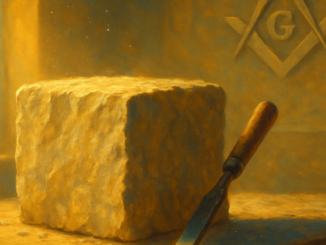
Rough ashlar stone and chisel symbolizing character building in Freemasonry
Personal Development & Leadership

Adversity and Character Building: Lessons from Freemasonry

A young footballer watches his dream transfer collapse at the last moment due to a disagreement between medical experts. He calls the situation “rotten.” This moment of public disappointment raises a timeless question that philosophers and Freemasons have pondered for centuries: how does adversity shape our character, and what determines whether we emerge stronger — or more embittered? The Stoic Legacy in Times of Adversity In the Roman Empire, Marcus Aurelius — emperor and philosopher — wrote extensively about the art of enduring setbacks. In his personal meditations, he argued that it is not events themselves that affect us, but our interpretation of them. This insight, shared with his predecessors Epictetus and Seneca, forms a cornerstone of Stoic philosophy. When a young athlete watches a career opportunity evaporate due to circumstances beyond his control, he is confronted with precisely this ancient wisdom. The Stoics drew a sharp distinction between what lies within our control and what does not. The judgment of physicians, the decisions of club officials, the whims of fate — these are external factors. What does lie within our power is how we respond. Marcus Aurelius would argue that the true test of character is not found in […]