Ancient Greek columns symbolizing duty and Masonic brotherhood
Plato – Freemasonry & Connection

Plato’s Crito: What Duty Teaches Us About Brotherhood

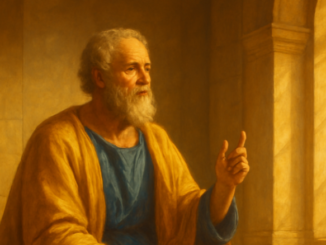
Imagine this: an old friend offers you a chance to escape your death sentence. The guards have been bribed, the plan is flawless, and everyone who loves you is begging you to flee. What do you do? This is precisely the situation Socrates faces in Plato’s dialogue Crito. His answer strikes at the very heart of what it means to be a person of integrity — and resonates deeply with values that Freemasons have cherished for centuries. Why Does Socrates Refuse to Flee? The dialogue opens in the early hours of morning, when Crito slips into Socrates’ prison cell with an urgent plea. The execution is drawing near, but there is still time to escape. Crito has arranged everything. He appeals to friendship, to Socrates’ responsibility toward his sons, to his own reputation. Yet Socrates refuses. His reasoning is as simple as it is immovable: it does not matter what others think of you — only whether your actions are just. Socrates has lived his entire life in Athens and accepted the city’s laws. To flee now would violate those laws and, in doing so, undermine his own life’s work. The question is not whether the laws are perfect, but […]

Open Bible showing the Epistle to Titus with Masonic square and compasses
Christianity

The Epistle to Titus: Building a Community of Integrity

Evening settles over the lodge. An elder brother opens a yellowed book and reads aloud from a letter written nearly two millennia ago to a young leader on the island of Crete. The words ring surprisingly modern — about appointing trustworthy overseers, about purity of heart, about deeds that speak louder than words. The brethren listen intently, for what the Apostle Paul wrote to his companion Titus touches the very core of what Freemasons strive to achieve: the building of a community of people defined by integrity. A Letter to a Young Leader The Epistle to Titus is one of the shortest texts in the New Testament — just three chapters long. Paul likely wrote these words around the year 65 AD to his trusted associate Titus, whom he had left behind on Crete to organize fledgling Christian communities. In antiquity, the island was notorious for its rough population and moral laxity. Titus faced a daunting task: bringing structure where chaos reigned, appointing leaders where distrust prevailed, and building a community that would actually live by its professed values. The heart of Paul’s counsel revolves around a single central theme: the gap between what people claim to believe and how […]

Ancient Greek prison scene representing Plato's Crito dialogue and Freemasonry
Plato – Content & Summary

Plato’s Crito: A Dialogue on Duty and Obedience

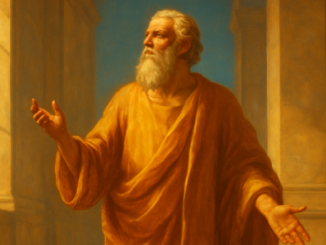
It is early morning. Through the narrow slit of a prison window, the first light falls on the sleeping figure of Socrates. His old friend Crito has been sitting beside him for hours, waiting for the right moment to wake him with an urgent proposal: escape, while you still can. What follows is one of the most powerful conversations in Western philosophy — a dialogue that continues to stir Freemasons and seekers of truth in their deepest convictions about duty, honor, and right action. A Friend With an Escape Plan The dialogue of the Crito takes place in the prison of Athens, where Socrates awaits his death sentence. Crito, a wealthy and devoted friend, has arranged everything for an escape. He has bribed the guards, prepared escape routes, and organized safe haven abroad. His arguments are deeply human and sympathetic: Socrates still has a family, his death would be a loss for philosophy, and besides, the verdict is unjust. Why would a wise man submit to a judgment based on false accusations? Socrates listens patiently. He acknowledges his friend’s good intentions but refuses to make decisions driven by emotion or public opinion. Instead, he proposes they examine the matter the […]