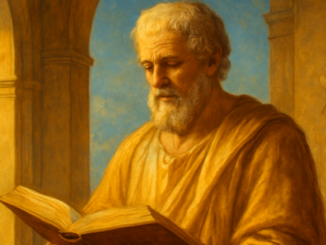
Seneca on the Liberal Arts: What Knowledge Truly Matters?
A hammer rests on the workbench. It was made to build, not to be admired. Yet some people collect hammers without ever driving a single nail. Lucius Annaeus Seneca would have recognized this modern tendency immediately. In his eighty-eighth letter to Lucilius, he poses an uncomfortable question that still resonates across the centuries: what is the point of knowledge that does not make us better human beings? The Central Question of Letter LXXXVIII Seneca opens his letter with a sharp critique of what was known in his day as the artes liberales — the liberal arts. These were subjects like grammar, music, geometry, astronomy, and rhetoric, considered essential for the education of a free man. But Seneca is unimpressed. He acknowledges that these disciplines may prepare the mind, yet he refuses to regard them as virtuous in themselves. His argument is clear: only knowledge that truly shapes the soul and leads toward wisdom deserves our highest respect. The Stoic philosopher draws a distinction between knowledge that serves as preparation and knowledge that becomes an end in itself. The liberal arts belong to the first category. They are like the foundations of a building — necessary, but not the building itself. […]