Explore how Freemasonry and grief intersect through philosophy, wisdom, and fraternal support. Discover insights on loss and mourning.
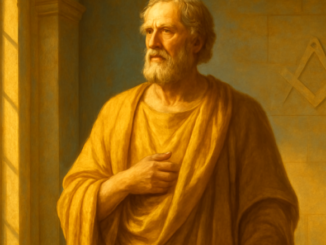
Lucius Annaeus Seneca – Freemasonry & Connection
Seneca on Grief and Loss: Wisdom for Freemasons in Sorrow
How do we grieve without losing ourselves in the process? It is a question Lucius Annaeus Seneca posed nearly two thousand years ago in a letter to his friend Lucilius — and it is a question that still resonates in lodges today, wherever Brethren must bid farewell to those they held dear. In Letter LXIII, Seneca explores the delicate balance between sorrow and remembrance, between tears and gratitude. His words touch on something every Freemason instinctively understands: the art of honoring our bonds of fellowship, even after the physical connection has been severed. What Does Seneca Really Mean by Mourning? Seneca opens his letter with a striking claim: grief is natural, but excessive grief is not. He tells Lucilius that we may miss our friends, that we may shed tears, but that we must not allow ourselves to sink into a bottomless pit of anguish. Does that sound cold? Seneca would say it is the opposite — it is an act of love. To mourn endlessly, he argues, is to dishonor the memory of the one we lost. The real question becomes: how do you honor someone by continuing to live? For Seneca, the answer lies in how we hold […]