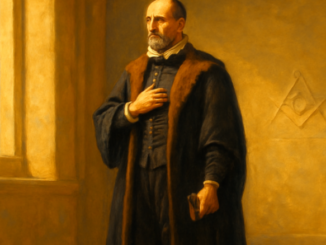
Explore compassion in Freemasonry and discover how empathy and kindness form the ethical foundation of Masonic brotherhood and personal virtue.
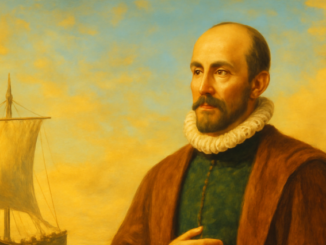
Michel de Montaigne – Freemasonry & Connection
Montaigne on Cruelty: How Compassion Makes You a Better Man
You’re stuck in traffic when someone cuts you off, and irritation flares instantly. At work, a colleague dismisses your idea, and your thoughts drift toward resentment. These are small moments, but they reveal something larger: how quickly we harden ourselves against others. Michel de Montaigne addressed this very mechanism in the sixteenth century in his essay “Of Cruelty.” His conclusion? Cruelty is not a sign of strength — it is a sign of weakness. And compassion is not softness — it is the highest form of human civilization. For Freemasons, who dedicate themselves to moral refinement and brotherhood, Montaigne holds up a practical mirror: how gentle are we, really, in our daily conduct? What Montaigne Teaches Us About Cruelty In his essay, Michel de Montaigne examines why human beings are cruel — not only to one another, but also to animals. He observes that cruelty often grows from habit and indifference. Once a person becomes accustomed to inflicting pain, he argues, the capacity for empathy gradually erodes. This is not some abstract philosophical puzzle. It speaks directly to how we treat colleagues, family members, strangers on the street, and even ourselves. Montaigne notes that hunters who kill animals without hesitation […]