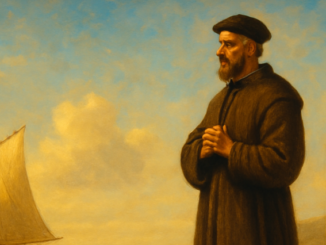
Montaigne on Drunkenness: Philosophical Roots and Ethics
Picture this: you are sitting at a table in the evening, the second glass has been poured, and you notice your boundaries beginning to blur — not just physically, but morally. You say things better left unsaid. You make promises you will never keep. This scenario is universal and timeless. Michel de Montaigne wrote about it in the sixteenth century in his essay “On Drunkenness,” and he did so not merely from personal experience. He drew on a rich philosophical tradition that remains remarkably useful for anyone striving to live a conscious, examined life. This article traces those philosophical roots and shows how they can be applied today — including by those who walk the Masonic path. The Stoic Call for Self-Mastery The influence of Stoicism on Montaigne is unmistakable in this essay. Seneca, the Roman philosopher and statesman, wrote extensively about temperance and the dangers of unchecked pleasure. In his letters to Lucilius, Seneca warned that drunkenness is not merely a weakness — it is voluntary madness. That striking formulation echoes through Montaigne’s own text, where he emphasises that excessive drinking causes a person to lose himself entirely. For the Stoics, self-control was never an end in itself. It […]