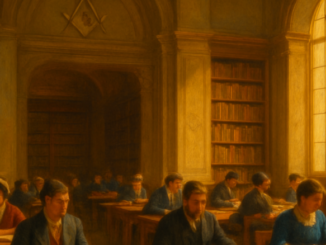
Libraries and Cultural Centers Built by Freemasonry
Freemasonry has always maintained a profound connection with knowledge, education, and culture. In the Netherlands, this commitment led to the establishment of libraries and cultural centers that offered far more than books — they provided spaces for dialogue, intellectual growth, and community building. Often supported by Masonic lodges, these institutions played a crucial role in making literature, science, and the arts accessible to a broad public. The Importance of Libraries in the 19th Century In the 19th century, libraries were rare and often exclusively accessible to the wealthy and privileged. Freemasons viewed this inequality as a significant barrier to social progress and decided to take action. They founded libraries that were open to everyone, regardless of background or social standing. These libraries were far more than simple repositories for books. They functioned as centers of enlightenment where people could meet, share knowledge, and explore new ideas together. In an era when access to information was a luxury, these Masonic-supported institutions represented a radical commitment to intellectual freedom. The Role of Freemasonry in Promoting Knowledge and Culture Freemasonry played a key role in the founding of libraries and cultural centers, guided by several core principles. First and foremost was the belief […]