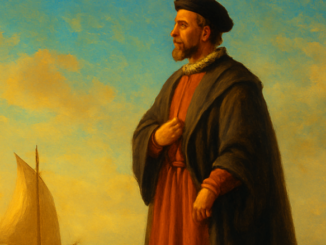
Montaigne on Names: Brotherhood Beyond the Label
In 1580, Michel de Montaigne published a brief but penetrating reflection on the power of names. In an age when noble titles, family names, and even first names could determine a person’s fate, he posed an uncomfortable question: what remains of a person when you strip the name away? Four centuries later, that question strikes at the very heart of what Freemasons seek to practice every time they enter the lodge and meet as equals — regardless of birth, rank, or title. A Sixteenth-Century Nobleman Who Questioned His Own Name Michel de Montaigne was born Michel Eyquem, the son of a prosperous merchant who had acquired the Montaigne estate and, with it, adopted an aristocratic name. This change of name was no trivial detail. In sixteenth-century France, a name determined your access to courts, public offices, and advantageous marriages. Montaigne was acutely aware of this. In his forty-sixth essay from the first book of the Essais, he examines how names become hollow shells — how fame can cling to a name long after the person behind it has been forgotten, and how different individuals sharing the same name become confused with one another across the centuries. What Montaigne exposes here […]