Explore the intersection of classical philosophy and Freemasonry. Discover how ancient philosophical traditions inform Masonic thought and practice.
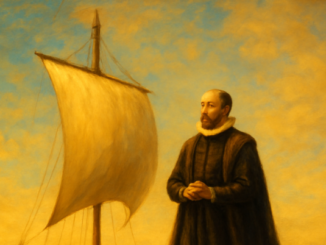
Michel de Montaigne – Content & Summary
Montaigne on Friendship: What Essay 28 Teaches Freemasons
In 1580, Michel de Montaigne published his Essays, a collection of personal reflections that would permanently reshape Western literature. Among them, one essay stands apart for its emotional depth: the twenty-eighth chapter of Book One, devoted entirely to friendship. Far from being an abstract philosophical treatise, this essay is a passionate tribute to Étienne de La Boétie — the friend with whom Montaigne shared a bond he would never again equal. For Freemasons, who regard brotherhood and sincere human connection as cornerstones of their craft, this centuries-old text offers surprisingly relevant wisdom. The Historical Context of the Essay Montaigne likely composed this essay around 1572, several years after the death of Étienne de La Boétie in 1563. The two men had met in 1558 at the Parliament of Bordeaux, where both served as councillors. Their friendship lasted only five years, yet its intensity would mark Montaigne for the rest of his life. The essay emerged during one of the most turbulent chapters of French history: the Wars of Religion raged across the country, the St. Bartholomew’s Day Massacre had claimed thousands of lives, and trust between people had been deeply shattered. It was precisely in this context of division and […]