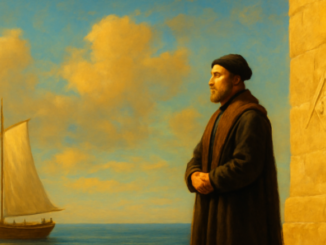
Explore authenticity in Freemasonry through philosophical inquiry and ethical self-knowledge. Discover insights on personal integrity and human connection.
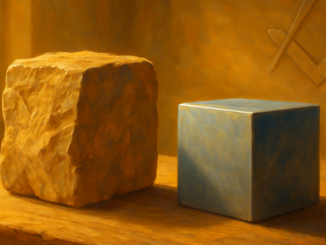
Philosophy & Ethics
Autism and Self-Knowledge: Ethical Lessons from Freemasonry
When someone discovers later in life that they are fundamentally different from what the world expected, a remarkable moment of self-knowledge emerges. The recent openness of a well-known public figure about receiving an autism diagnosis offers a surprising mirror for a theme that sits at the very heart of Freemasonry: knowing yourself as the foundation for ethical action. Two worlds, two perspectives on the same question — how does honesty about who you are lead to better conduct? The Outsider’s Perspective: Vulnerability as Weakness Modern society holds a curious paradox when it comes to openness. On one hand, authenticity is celebrated as the highest virtue. On the other, vulnerability is often seen as a liability — an Achilles’ heel best kept hidden. When someone publicly declares they are glad about a diagnosis that many perceive as a limitation, it collides with widespread incomprehension. The outsider thinks in terms of normal and deviant, strong and weak, successful despite or because of. This perspective has deep historical roots. As far back as Aristotle, we find the idea that virtue manifests in the middle ground — in moderation and self-control. Any deviation from the norm, in whatever form, was considered a disruption of […]