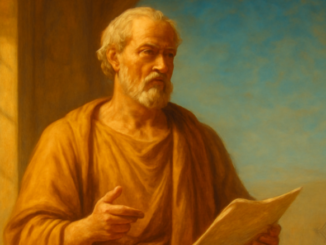
Seneca’s Letter 55: Solitude, Fellowship & Masonic Wisdom
There are moments when silence wraps around us like a cloak, and other moments when we long for the sound of familiar voices. Lucius Annaeus Seneca, the great Stoic philosopher, understood this tension like few others. In his fifty-fifth letter to his student Lucilius, he examines the delicate relationship between withdrawal from the world and participation in it — a question that still resonates centuries later, especially within traditions that deliberately navigate between inner reflection and brotherly community. The Villa of Vatia: A Symbol of Misguided Retreat Seneca opens his letter by describing a coastal walk near Cumae, where he passes the abandoned villa of Vatia. This former praetor had withdrawn from public life decades earlier, living in complete seclusion. Roman society admired him for it: “Vatia knows how to live,” people said. But Seneca fundamentally questions this admiration. Is this truly living, or is it merely hiding? The villa becomes a powerful symbol within the letter. It represents not wise withdrawal, but flight. Vatia did not retreat to find himself or to cultivate wisdom. He hid from the dangers of the imperial court, from the intrigues of his era. His solitude was not a choice for something — it […]