Ontdek alles over de Master Mason graad in de vrijmetselarij. Lees hoe deze hoogste graad zich ontwikkelt en welke betekenis deze heeft voor vrijmetselaren wereldwijd.
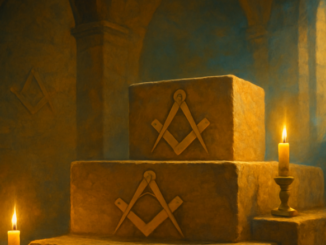
Freemasonry & Society
The Degrees in Freemasonry Explained: A Complete Guide
The degrees in Freemasonry form the backbone of the entire fraternity. They are far more than titles or ranks — they represent stages of personal growth, ethical deepening, and brotherly connection. Understanding the degree system is the key to unlocking the symbolism, rituals, and philosophy that define this centuries-old brotherhood. This article offers a comprehensive yet accessible overview of Masonic degrees, from the first step as an Apprentice to the highest levels found within the various rites. The Historical Background of the Degree System To truly understand the degrees in Freemasonry, it helps to look at the historical roots of the fraternity. Modern Freemasonry as we know it developed in early eighteenth-century Britain. On June 24, 1717, the first Grand Lodge was founded in London — a milestone that ushered in the era of modern, speculative Freemasonry. The four lodges that united on that occasion initially worked with a simple two-degree system: the Entered Apprentice and the Fellow Craft. It was only shortly afterward, around 1725, that the third degree — that of Master Mason — was added to the system. The origins of this degree structure lie in the medieval stonemason guilds, often referred to as operative Freemasonry. The […]