Explore the depths of Masonic tradition through philosophy, symbolism, and rituals. Discover what makes Freemasonry’s brotherhood enduring and meaningful.
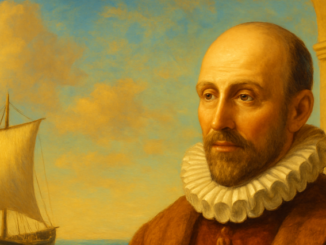
Michel de Montaigne – Freemasonry & Connection
Montaigne on Custom: Freemasonry and the Power of Connection
Custom is a second nature, wrote Michel de Montaigne in the sixteenth century, and it is no less powerful than the first. But what happens when we follow this thought into the realm of brotherhood, shared ritual, and traditions that span generations? Freemasonry, with its centuries-old practices and symbolic language, offers a remarkable framework for exploring Montaigne’s insights about custom and law — not as dogma, but as an invitation to reflect on what binds us, what shapes us, and what we are willing to change. The Paradox of Custom Montaigne confronts us with an unsettling truth: we believe ourselves free in our judgments, yet our customs have shaped us long before we ever began to think critically. In his essay “Of Custom, and Not Easily Changing an Accepted Law,” he examines how deeply cultural practices take root within us. He gathers examples from distant lands and bygone eras to demonstrate that what seems self-evident to one person can be utterly unthinkable to another. Marriage customs, eating habits, attitudes toward death — all of it is sculpted by habit. This is where Montaigne touches on something essential to Freemasonry. The lodge is, after all, a space where men from vastly […]