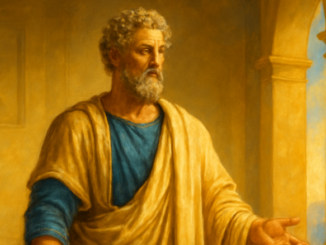
Marcus Aurelius Book XI: The Philosophical Roots of Humor
In the year 175 AD, a Roman emperor camped at the far edges of his empire wrote personal notes never intended for publication. In what we now know as Book XI of his Meditations, Marcus Aurelius combined sharp self-criticism with gentle humor in a way that still resonates nearly two millennia later. These reflections did not emerge in a vacuum. They flowed from centuries of philosophical thought about the human condition — from the streets of Athens to the slave quarters of Rome. The question this article explores: which thinkers and traditions laid the foundation upon which Marcus Aurelius built his unique connection between humor and self-knowledge? The Stoic Tradition as Foundation The Stoic school, founded by Zeno of Citium around 300 BC, forms the primary intellectual bedrock of Book XI. Zeno developed his teachings in the Stoa Poikile — the Painted Porch in Athens from which the movement takes its name. At the core of this philosophy lies the conviction that virtue is the only true good, and that external circumstances, including fame, wealth, and even physical well-being, belong to the so-called “indifferent things.” Marcus Aurelius inherited this vision, but added something less prominent in earlier Stoics: the ability […]