Explore the intersection of Freemasonry and mortality through philosophical essays on end of life, meaning, and human connection beyond ourselves.
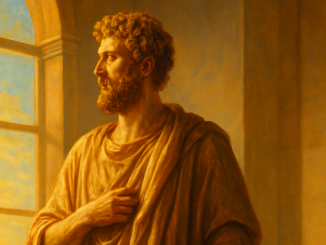
Marcus Aurelius – Freemasonry & Connection
Marcus Aurelius on Death and Immortality: Two Perspectives
Death is the great mystery that every person must eventually face. In the ninth book of his Meditations, Marcus Aurelius writes about mortality with remarkable calm, reflecting on what remains after this life ends. His words, penned in the second century AD, prove surprisingly close to insights that Freemasons have cherished for centuries. How do these two perspectives relate to each other? And what can we, in our own search for meaning, learn from both? The Stoic View of Mortality For Marcus Aurelius, death was not an enemy to be feared but a natural transition to be accepted. In Book IX of the Meditations, he reflects on the impermanence of all things — fame, possessions, even the memory of who we once were. The philosopher-emperor saw death as a return to the elements from which we came. There is no drama in his words, only the sober recognition that everything alive is subject to change. This vision was rooted in the Stoic worldview, which sees the cosmos as a single living whole, permeated by a divine reason or logos. The individual soul is a spark of this greater whole. At death, that spark returns to its source. For Marcus Aurelius, […]