Explore how Freemasonry and charity work together to support vulnerable communities through humanitarian initiatives and social welfare programs.
Freemasonry & Society
Refugee Relief – A Freemason Initiative Worth Remembering
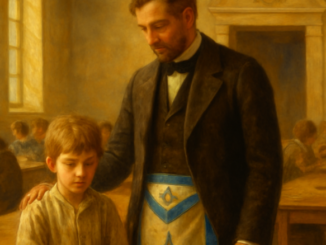
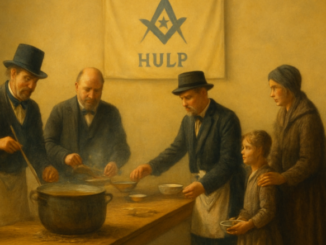
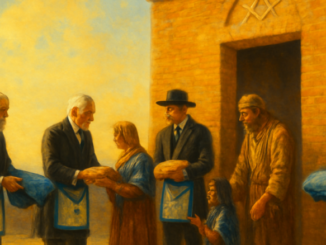
The 19th and 20th centuries saw wave after wave of political and economic refugees, driven from their homelands by war, revolution, and persecution. In these turbulent times, organized aid was scarce and often inadequate. Freemasons — bound by their commitment to brotherhood and humanity — felt a deep obligation to act. Drawing on their resources, networks, and philosophical principles, they established shelters that offered not just a roof over people’s heads, but genuine hope for a better future. Freemasonry and the Call to Help Refugees The core ideals of Freemasonry aligned naturally with the cause of refugee relief. Brotherhood, one of the Craft’s most fundamental principles, holds that all human beings are equal and interconnected. Helping those who had been displaced was a direct expression of this universal vision. Charity — not as an abstract concept, but as hands-on, practical assistance — gave Freemasons a way to translate their beliefs into tangible action. And by supporting refugees in rebuilding their lives, Masons also contributed to strengthening the communities that welcomed them, embodying the Masonic dedication to building a better society. The Practical Role Freemasons Played Freemasons were instrumental in establishing and sustaining refugee shelters across Europe and beyond. Their contributions […]