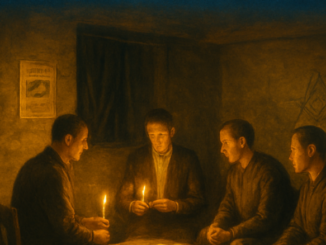
Freemasonry During the Second World War
The Second World War marked one of the darkest chapters in the long history of Freemasonry. Across Nazi Germany and the occupied territories, Freemasons were systematically targeted, persecuted, and silenced. Yet even in the face of totalitarian oppression, the Craft’s core ideals of liberty, equality, and brotherhood endured — sometimes at extraordinary personal cost. Why the Nazis Targeted Freemasonry Nazi ideology was built on antisemitism, extreme nationalism, and elaborate conspiracy theories. Freemasonry, with its emphasis on universal brotherhood and its tradition of private meetings, became an easy target. The regime falsely portrayed the fraternity as a shadowy network conspiring against the state, lumping it together with Jewish communities and other perceived enemies. In reality, Freemasonry stood for exactly the kind of values — tolerance, free thought, and human dignity — that totalitarian regimes cannot tolerate. The Ban on Freemasonry in Germany and Occupied Territories When Adolf Hitler rose to power in 1933, Freemasonry was swiftly banned throughout Germany. Lodges were forced to close their doors, their assets seized, and their records confiscated. Well-known Masonic symbols such as the Square and Compasses were deliberately distorted in propaganda materials to fuel conspiracy theories and public distrust. As German forces swept across Europe, […]