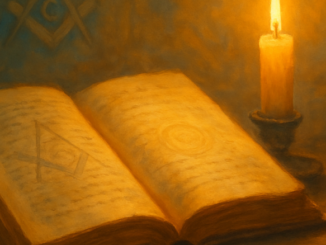
Allusive Speech: The Hidden Art of Meaning in the Lodge
When the first speculative lodges opened their doors in the eighteenth century, the brethren developed a remarkable way of communicating. They did not speak directly about the things that moved them most deeply. Instead, they chose allusive language — a style in which meaning lies hidden behind images, references, and symbols. The allusive meaning of their words opened doors that direct speech would have left firmly shut. This article explores how this subtle art of allusion still forms the backbone of philosophical transmission within Freemasonry. What Is Allusive Language? To speak allusively means to hint, to reference without making something fully explicit. The word comes from the Latin alludere, meaning “to play upon” or “to touch lightly.” When someone speaks allusively, they approach a subject without spelling it out entirely. The listener must make the connection, fill in the missing piece, and complete the meaning. This is not a sign of vagueness — it is an act of trust in the intelligence and sensitivity of the person listening. In the philosophical tradition, this kind of indirect speech has deep roots. Socrates asked questions rather than providing answers. The mystical poets of the Middle Ages wrapped their insights in allegory. Zen […]