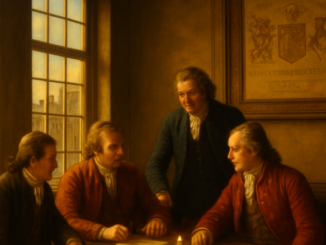
History of Freemasonry in the Netherlands: Three Centuries
The history of Freemasonry in the Netherlands is a fascinating journey through more than three centuries of brotherhood, Enlightenment ideals, and civic engagement. From the founding of the first Dutch lodge in the early eighteenth century, Freemasons have played a remarkable role in the cultural, intellectual, and social life of the country. While the story mirrors broader European developments, Dutch Freemasonry has a distinctive character of its own — shaped by the Netherlands’ deep-rooted traditions of tolerance, commerce, and civic idealism. The Earliest Roots: Freemasonry in Europe Before the Netherlands To understand the history of Freemasonry in the Netherlands, it helps to first consider its European origins. Modern Freemasonry is typically traced back to the founding of the Grand Lodge of London in 1717 — widely regarded as the official beginning of speculative or symbolic Freemasonry. Before that pivotal moment, guilds of operative masons — skilled craftsmen who built the great cathedrals and castles of Europe — had already established traditions, symbols, and rituals that would form the foundation for a new, more philosophically oriented movement. The English Enlightenment fostered a climate of rational thinking, religious tolerance, and scientific curiosity. In that spirit, intellectuals, nobles, and merchants came together in […]