Explore Freemasonry through the lens of the Grand Lodge of England. Discover the history, principles, and traditions of this influential Masonic organization.
General
What is Freemasonry?
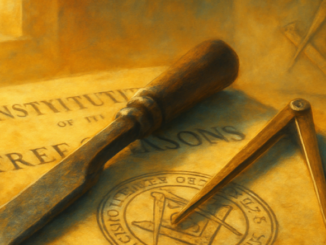
Freemasonry is one of the world’s oldest and most widely recognized fraternal organizations, uniting men across cultures, borders, and centuries through shared values, symbolic ritual, and a commitment to personal and moral development. To ask what is Freemasonry is to open a door to a fascinating tradition that has shaped philosophers, statesmen, architects, and artists — and continues to offer meaning and brotherhood to hundreds of thousands of members worldwide today. Far from the shadowy caricature sometimes painted in popular culture, Freemasonry is a transparent, structured, and deeply thoughtful institution rooted in timeless human ideals. Historical Background: The Origins of Freemasonry Understanding what Freemasonry is requires looking back at its origins, which are both historical and, in part, deliberately symbolic. The organization traces its operative roots to the medieval stonemason guilds of Europe — skilled craftsmen who built the great cathedrals, castles, and civic buildings of the Middle Ages. These guilds developed systems of recognition, mutual aid, and graduated knowledge to protect their craft and regulate entry into the profession. The tools they used — the square, the compass, the level, and the plumb line — became the symbolic vocabulary of the fraternity that would eventually evolve from their ranks. […]